

























































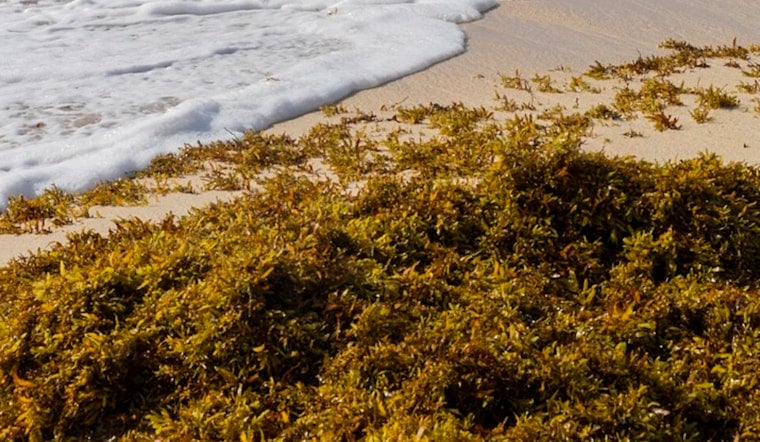
Jacksonville Beach is back in stink season. Thick mats of sargassum have rolled ashore this week, lining long stretches of sand with brown clumps that smell like rotting fish and turning routine beach grooming into a logistical mess. Crews say the seaweed is piling up faster and heavier than usual, and with big weekend events on the calendar, visitors can expect selective cleanups and some stubborn odors hanging around the shoreline.
Beach workers told News4JAX that fresh sargassum started showing up only weeks after a previous cleanup and that the current build-up already looks thicker than what they typically handle. According to the station, tractors are brought in to push and remove the largest piles, but only after crews check for turtle nests and other hazards. Once daytime crowds spread across the sand, those windows for running heavy equipment safely get a lot smaller.
Why cleanup is complicated
Cleaning beaches with machinery during sea-turtle nesting season is tightly regulated. The Florida Fish and Wildlife Conservation Commission says local governments must work with FWC staff and often finish daily surveys for nests before they get the OK to operate heavy gear on the sand, while the Department of Environmental Protection oversees permits and disposal rules. Those safeguards protect nesting turtles, but they also limit when and where rakes and tractors can run along the dunes and the wet sand.
What is behind the surge
Satellite tracking from the University of South Florida indicates that 2026 is shaping up as another big sargassum year, with record-high amounts spread across the Atlantic. An experimental mapping product from NOAA highlights coastal zones most likely to see fresh seaweed landings. Together, those regional patterns help explain why new patches keep washing onto Jacksonville Beach even after local crews have cleared earlier loads.
Festival weekend adds pressure
Jax Beach Country Fest is set for June 13 at the Seawalk Pavilion, and organizers bill it as a free, family-friendly event. Local reporting notes that crews are aiming to clear the most heavily used public areas, where it can be done safely, before the crowds pour in. Once the festival hits its peak hours, though, running heavy machinery on the sand will be far more restricted.
What beachgoers should expect
Neighbors have described the odor as overwhelming - like "old, dead fish" - in recent coverage, and meteorologists warn that decomposing sargassum can release gases and other irritants that bother people with allergies or asthma, Action News Jax reported. State guidance referenced by FWC advises people to avoid direct contact with large mats, wear gloves if they have to handle the seaweed, and stay indoors or shut windows if the smell seems to trigger breathing problems.
Officials say monitoring is ongoing and direct residents to the USF and NOAA mapping tools for near real-time snapshots of where sargassum risk is highest. For now, beachgoers should plan on scattered patches of brown seaweed and on-and-off cleanup work along Jacksonville Beach in the coming weeks as the city tries to juggle wildlife protections with a packed event schedule.





.jpg)