

























































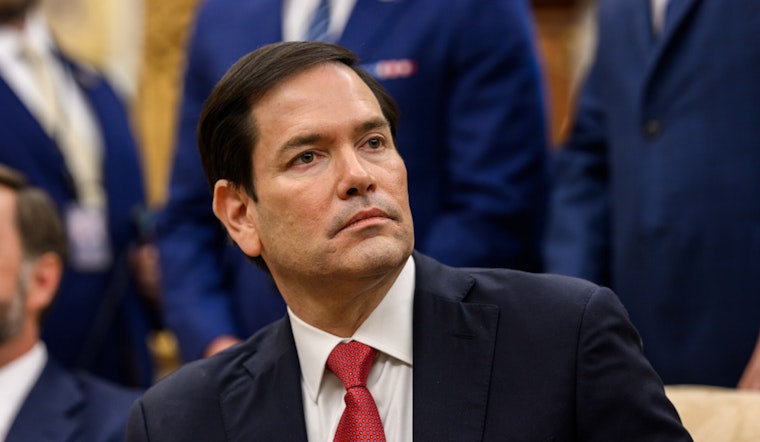
Visa seekers across Africa are about to face a much longer trip. The State Department is moving to slash the number of U.S. embassies and consulates on the continent that can process visas, cutting the network from nearly 50 posts to roughly 20 larger hubs. The directive, approved by Secretary of State Marco Rubio, will leave many smaller consular sections handling only passport renewals, emergency assistance and select diplomatic cases. For many would-be applicants, it will now mean crossing into another country just to get to a visa interview, with added time and significant cost.
According to The Associated Press, an internal State Department memo reviewed by reporters and three U.S. officials shows the consolidation was approved last week and is expected to begin in June. Officials told staff on a recent conference call that consular operations will be concentrated at the hubs so the department can better match resources and capacity with national priorities. The reporting notes that there is not yet a firm launch date, but the shift is set to roll out in the coming weeks.
The 20 designated hubs
The memo identifies 20 posts that will keep full visa-processing authority: Abidjan, Accra, Addis Ababa, Cape Town, Dakar, Dar-es-Salaam, Djibouti, Johannesburg, Kampala, Kigali, Kinshasa, Lagos, Lomé, Luanda, Malabo, Monrovia, Nairobi, Port Louis, Praia and Yaoundé. Those locations are listed in reporting by Spectrum News, which reviewed the memo's list of hubs. Citizens of countries that do not have a hub will generally need to travel to one of these posts for in-person interviews and final decisions on their cases.
Non-hub posts and what they will still do
Consular sections in non-hub countries are not closing, but the memo says their work will be sharply limited. They will handle passport renewals, emergency consular requests, special national-interest matters and diplomatic visa applications. Routine immigrant and nonimmigrant visa interviews will be centralized at the designated hubs, The Associated Press reports. The department has used similar designated-post setups before when local processing has been reduced for security, staffing or policy reasons.
Costs, bonds and public-health restrictions
Coverage of the memo places the hub plan in a wider pattern of moves that have already made U.S. visas tougher to get in parts of Africa. Recent years have brought travel bans, public-health limits tied to Ebola outbreaks and, in some situations, requirements that applicants post bonds of up to $15,000. These steps, combined with consolidation into hubs, could create steep logistical and financial hurdles for applicants, as detailed by the Los Angeles Times. Immigration practitioners warn that shifting routine processing to a smaller number of posts will drive up travel costs and wait times for many families, students and workers seeking U.S. visas.
How to check whether your post will process visas
Anyone with a pending visa case, or planning to apply soon, should follow official U.S. government updates closely to see where interviews will take place. The State Department keeps a directory of posts that handle immigrant and nonimmigrant visas, along with tools for scheduling and checking case status. See the department's listings at Travel.State.Gov for the latest information. Individual embassy and consulate websites will be the definitive source on whether a post will continue routine visa interviews or operate in a limited consular-services-only role under Rubio's directive.





.jpg)