

























































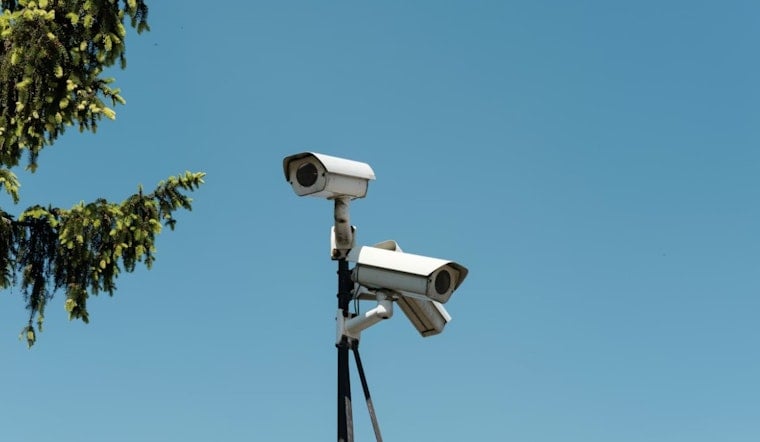
Four San Diego City Councilmembers rolled out a budget twist yesterday that would cut funding for the city’s automated license-plate reader cameras and redirect the savings to restore library hours, rec-center programs and arts funding. The proposal, framed as a stark choice between surveillance technology and community investment, comes from Councilmembers Sean Elo-Rivera, Henry Foster, Kent Lee and Vivian Moreno. The package still needs at least one more vote to reach a council majority.
As reported by 10News, the council offices behind the plan say ending the city's contract for Flock-brand automated license-plate readers would free roughly $2.2 million to reverse cuts to libraries, parks and arts programs. Elo-Rivera put it plainly: you can use the money to surveil the community, or you can invest it in the community. Council President Pro Tem Kent Lee described the proposal as one of several trade-off options his office developed. The council was expected to resume budget debate on Friday.
What the Cameras Do and What They Cost
The San Diego Police Department's 2025 annual surveillance report shows the city has roughly 500 Flock ALPR units mounted on streetlights and that the system assisted in 361 investigations last year, including helping identify suspects in nine homicides, according to the SDPD report. The same report lists an annual service-fee figure of about $2.01 million, later adjusted to roughly $1.45 million when not all units were active, numbers the department cites when defending the program.
Local reporting has also documented police claims that the technology has supported hundreds of investigations, arrests and stolen-property recoveries, as noted by KPBS. Supporters inside the department have leaned on those statistics to argue that the ALPR network pays public-safety dividends.
Public Pushback Is Loud and Sustained
Hundreds of residents packed budget hearings to demand that the council restore library hours and arts funding and to urge a pause or cancellation of the Flock contract. Advocates and privacy groups warned that the cameras create a city-wide tracking network that could chill immigrant and civic life, testimony that surfaced repeatedly during public comment, as reported by the Times of San Diego. Coverage captured the length and intensity of the hearings and the breadth of community opposition.
Political Math
The compromise is being pushed by councilmembers who represent many lower-income neighborhoods and is being sold as a modest middle ground that restores services while trimming surveillance spending and some middle-management costs. Coverage from the Library Foundation of San Diego, which highlighted Union-Tribune reporting on the emerging plan, notes that the package would need at least one more council vote to pass and would fund restorations largely through those shifts, according to the Library Foundation SD.
That framing arrives as Mayor Todd Gloria's draft budget prioritizes police and fire spending while proposing steep cuts to arts programs and some library services, per Axios. The result is a classic City Hall showdown over how far San Diego should lean into surveillance tools when basic services are on the chopping block.
Police Defend the Tools
San Diego Police Chief Scott Wahl has told reporters that the ALPR network is essential to effective investigations, arguing that targeted plate matches help officers find suspects quickly and prevent repeat offending. That defense, along with the department's broader case that audits and new use policies have tightened oversight, surfaced in local reporting that quoted Wahl directly, as 10News noted.
Opponents counter that audits and technical safeguards do not erase the civil-liberties risks of mass plate tracking, and they argue that a city struggling to keep libraries open should not be writing big checks for a system that blankets streets with cameras.
What’s Next
City finance memos show staff released separate requests for information for ALPR and smart-streetlight procurement that close June 15 as part of a move toward a more competitive purchasing process, according to the City of San Diego. If the council compromise picks up an additional vote, its savings could be folded into final budget changes the council must adopt in June; if not, the mayor's draft plan will largely stand.
Either way, more packed public hearings are likely as councilmembers weigh surveillance, safety and core services, according to KPBS.





