

























































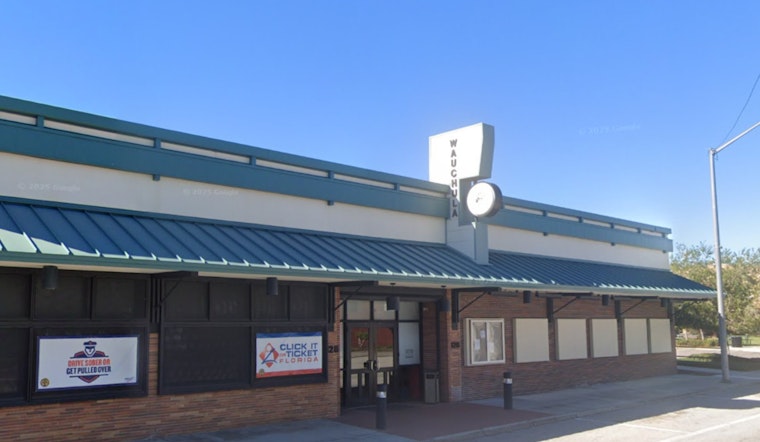
Two Wauchula businesses are out thousands of dollars after getting hit with a slick card-not-present scam that hid behind rushed phone and email orders, according to local police. Officers say out-of-town buyers contacted the shops remotely, pushed for expedited shipping or fast pickup, and paid through third-party services. The payments appeared to clear at first, only to be disputed later, leaving merchants stuck with chargebacks and missing inventory.
In a Facebook alert, the Wauchula Police Department said the two targeted businesses lost thousands of dollars and urged other owners to be cautious when they see big, rushed orders. The department noted that the suspicious payments ran through third-party services and pointed out that some processors strip full cardholder details after settlement, which can make it tougher for investigators to follow the trail. According to the Wauchula Police Department, anyone with information is asked to contact the agency.
Why Tracing These Orders Can Stall Investigations
Modern payment platforms typically use tokenization and vaulting so that merchants and processors do not store full primary account numbers. That setup is designed to protect cardholders, but it also means shops and local detectives often see only partial data when fraud hits. Stripe notes that card numbers are kept in isolated, encrypted environments and swapped out for tokens that merchants use instead, sharply limiting what is visible on the business side. The PCI Security Standards Council explains that strict limits on holding cardholder data are baked into industry rules, which shapes how merchants keep records and what information is available once a scam surfaces.
Why Merchants Often End Up Paying
When a cardholder disputes a charge, the card networks and issuing bank can reverse the transaction, send the money back to the customer, and hit the merchant with a chargeback. On top of refunding the sale, the business usually eats processing fees and the value of any goods or services that already walked out the door. Public SEC filings from payment processors state that processors themselves can face chargeback exposure when merchants cannot cover disputed amounts, and that card-not-present transactions carry higher chargeback risk. Put together, that is how the Wauchula scam left small local shops holding the bag for several thousand dollars.
Steps Local Owners Can Take Now
To cut down on fraud risk, merchants are urged to pause and double-check when something feels off. That can mean flagging unusually large orders, requiring shipments to go to the billing address on file, and confirming phone purchases with a callback to a verified number. Enabling AVS and CVV checks, along with 3-D Secure authentication where available, can add extra friction for would-be scammers.
Owners should also hang onto receipts, shipping and tracking details, and all emails or messages tied to suspicious orders, then contact their payment processor quickly so the account can be reviewed or flagged. Delaying fulfillment until a buyer’s identity is confirmed can limit damage when a transaction looks risky. If you believe you have been defrauded, file a report with local police and consider sending complaints to the FBI’s Internet Crime Complaint Center and the FTC’s reporting portal, which collect data that can aid investigations and, in some cases, help freeze funds.
The Wauchula Police Department asked residents and business owners to share its warning and to call in any tips as the cases remain under review. Officers also urged merchants to scrutinize unfamiliar orders and coordinate closely with their payment processors whenever something on the books does not look quite right.





