

























































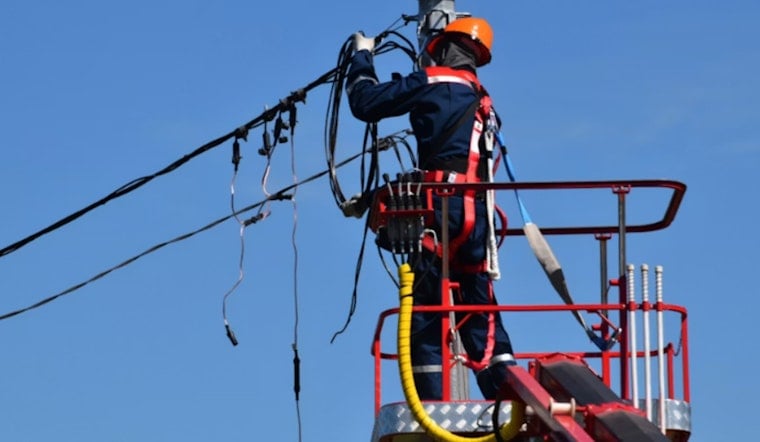
Seattle’s hottest day of the year so far came with a gut punch on Monday, June 15, 2026, when more than 3,000 homes and businesses suddenly went dark just as a heat advisory had the city baking. The midday outages hammered northern neighborhoods, cutting air conditioning for residents and mom-and-pop shops right when they needed the cool air most.
Where power went out
The largest outages unfolded on the western side of Lake Union and stretched north into Ballard and Discovery Park, knocking out electricity for more than 3,000 customers, according to FOX 13 Seattle. Seattle City Light’s online outage map showed crews scattered across several trouble spots, with no estimated restoration time posted while workers investigated the cause, per Seattle City Light. The dark zones covered both homes and small businesses, leaving some commercial blocks eerily quiet as the temperature kept climbing.
Heat advisory raises the stakes
The timing could hardly have been worse. The outages arrived while the National Weather Service had a Heat Advisory in effect for much of the lowlands, with forecast highs in the upper 80s to low 90s that make losing power more than just an inconvenience for anyone without cooling, according to the National Weather Service. State and local health officials say air-conditioned public spaces and cooling centers can be literal lifesavers under these conditions and urge people to check in on older neighbors and anyone with medical vulnerabilities.
What residents should do
Seattle City Light asks customers to report outages by calling 206-684-3000 or by checking its online outage map for updates and safety tips, per Seattle City Light. Anyone who comes across a downed power line should stay at least 30 feet away and call 911. To keep food from spoiling, officials recommend keeping refrigerator and freezer doors closed as much as possible. People who rely on electrically powered medical devices are advised to consider relocating to a cooled location or calling 2-1-1 for local assistance, the Washington State Department of Health recommends.





