

























































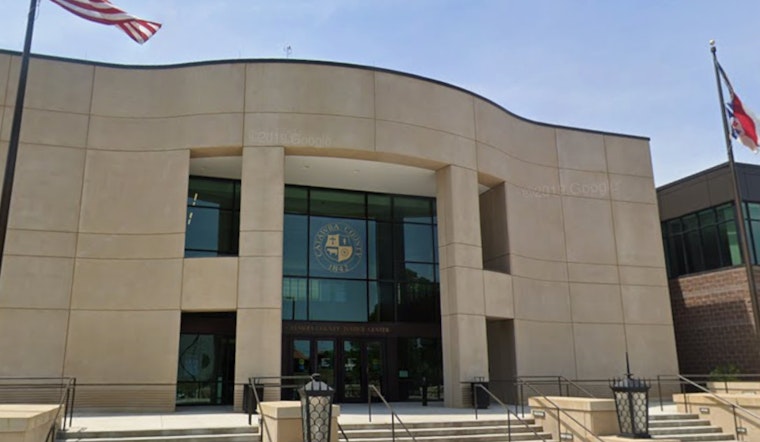
Jury selection opened yesterday in Catawba County Superior Court for the criminal trial of Brookford Police Chief Willie Armstrong, who is accused of tampering with evidence in a decades-old killing that has long haunted the small town. The case reaches back to the 1992 death of 13-year-old Isis “Dee Dee” Dawkins, which Brookford police reopened in 2023. Armstrong has pleaded not guilty, and the focus this week is on finding jurors who say they can weigh the disputed evidence without bias.
What prosecutors allege
According to court filings, Armstrong left his cellphone at a residence during an interview so it could secretly record a potential witness, then retrieved the phone and later had part of the audio deleted, as reported by WSOC. Grand jury indictments charge him with a felony count of altering, destroying or stealing evidence, along with a misdemeanor count of willful failure to discharge his duties, according to the documents.
Case history and missing evidence
Dawkins’ killing dates to July 1992, when her body was found along the Henry Fork River wearing only a bra and a single shoe. Years later, audits showed that shoe could no longer be located, reporting by the Hickory Daily Record found. That missing evidence, along with other records flagged after the case was reopened in 2023, helped trigger a wider look by the State Bureau of Investigation. Family members and neighbors say the renewed scrutiny has only sharpened their push for long-delayed answers.
Chief's defense and local politics
Armstrong has maintained his innocence and argued publicly that the investigation is politically driven, coming after he announced a run for Catawba County sheriff this year, according to WHKY. Local coverage notes that the Brookford town board first placed him on administrative leave, then briefly reinstated him, and Armstrong has told supporters he believes the courts will clear his name (WACB).
Legal context
North Carolina law makes “altering, destroying, or stealing evidence of criminal conduct” a crime classified as a Class I felony. The statute spells out the offense in N.C. Gen. Stat. § 14-221.1, and penalties are set using the state’s sentencing grid by offense class and prior record level under N.C. Gen. Stat. § 15A-1340.17.
The current phase of jury selection will determine who ultimately hears the witness testimony and disputed recordings at the heart of the case, a pivotal step given how central the alleged audio deletion is to the charges, as reported by WSOC. For the small town of Brookford, the trial is a rare, high-profile courtroom showdown that pulls a long-unresolved 1992 homicide back into public view.





