

























































Los Angeles is having a defense-sector glow-up that sits on top of a long, uncomfortable truth: the factory jobs that once powered the county are largely gone, and they are not coming back in the same form.
Venture-backed startups are pouring money into missile and satellite production across the region, even as the old manufacturing base has steadily thinned out. One of those newcomers has locked in a Pentagon production pledge for hypersonic weapons, and the broader region has added thousands of aerospace jobs in recent years. It looks like an industrial comeback, but it is being built on a much narrower, higher-skilled footing than the blue-collar past.
As reported by the Los Angeles Business Journal, more than 1,000 aerospace and defense companies in Southern California have raised over $15 billion so far in 2026, with venture capital supplying roughly 65% of all defense-sector investment this year. The Business Journal also notes that the South Bay now accounts for about 88% of Los Angeles’ unicorn value. Founders say that surge of capital is prying open doors that once felt welded shut. “I think there was a perception that nobody’s going to be able to work their way in,” Castelion co‑founder Andrew Kreitz told the paper.
Castelion and the Hypersonic Push
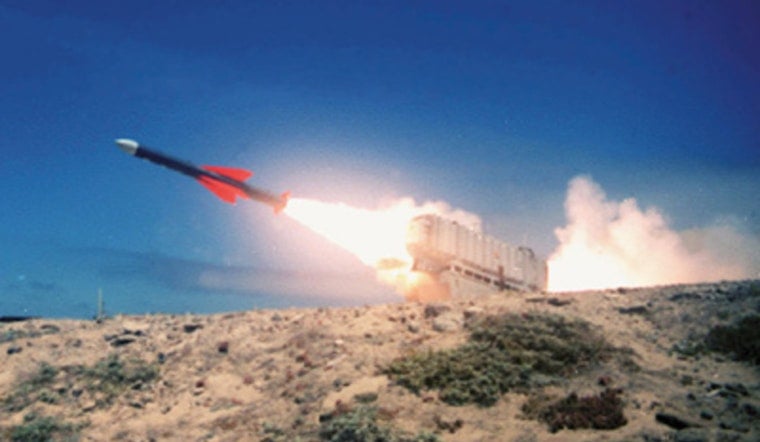
In mid May, the Pentagon moved to guarantee production volumes for one of those upstarts, signaling a shift from boutique weapons development to industrial-scale output. In a press release via PR Newswire, Castelion said the agreement guarantees a minimum of 500 Blackbeard hypersonic missiles per year once testing is complete. Local suppliers and industrial landlords say that kind of locked-in production changes the math on everything from new equipment to long-term hiring.
Jobs Are Growing, but at a Different Scale
The jobs comeback is real, but it is highly concentrated. The Los Angeles County Economic Development Corp. reports that the region’s aerospace and defense cluster employed about 58,731 people in 2024 and added roughly 11,000 jobs between 2022 and 2024, with average annual wages topping $141,000. The work, though, tends to skew toward engineers, systems integrators and high-skill production lines instead of the old-school mass assembly roles. The Los Angeles Times has tracked startups stretching out their shop floors across El Segundo, Long Beach and other South Bay corridors as companies chase experienced talent.
But the Old Manufacturing Footprint Has Faded
The backdrop to all this new money is a generation of loss. Factory jobs in L.A. County fell by about 65% between June 1990 and June 2025, using California Employment Development Department figures cited by the Los Angeles Business Journal. After decades of broad-based manufacturing erosion, today’s hiring spree is unlikely to revive the neighborhoods that once revolved around massive plants and shift work. For labor leaders and city planners, the pressing challenge is turning those high-wage aerospace roles into real, reachable career pathways for the workers who were left behind.
Can VC Turn Startups Into a Durable Industrial Base?
Local officials say that venture capital and defense contracts are both crucial, but neither can carry the region alone. Government production pledges like the Castelion framework create demand, but whether this moment becomes a lasting industrial revival depends on slower, less glamorous work: rebuilding supply chains, expanding apprenticeship programs and stabilizing procurement rules. That tension is a recurring theme in reporting from Bloomberg. If private capital, public purchasing and workforce investment line up, the South Bay’s current boom could eventually spin off benefits that reach well beyond the rosters of a few headline-making startups.





