

























































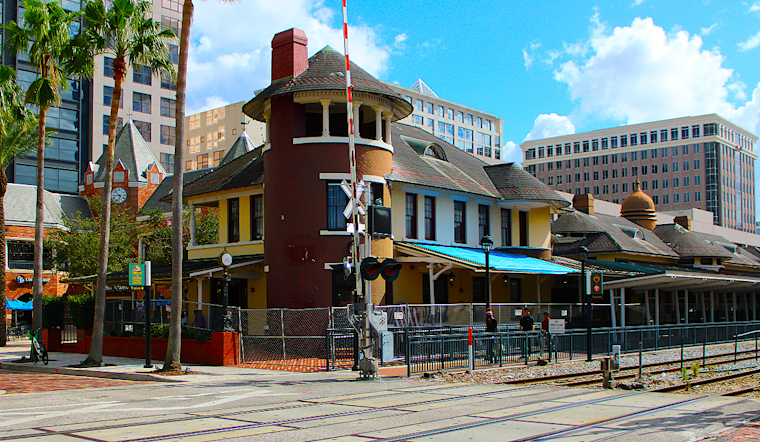
Orlando’s fast-track plan to loosen downtown development rules has run into a very specific buzzkill: a warning from the state that the city could lose millions in historic-preservation dollars if it moves too quickly.
A letter from the Florida Division of Historical Resources, sent Thursday, cautioned that if Orlando approves an ordinance allowing many downtown redevelopment proposals to skip the city’s Historic Preservation Board for three years without first submitting the change for a 30-day review, the city could be placed in “bad standing” and lose access to certain grant match waivers, according to WUSF. City staff said they are reviewing the notice and preparing a response to the state.
The City Council has already signaled support. Members advanced the measure on first reading in a 6–1 vote earlier this month, with Commissioner Patty Sheehan as the lone “no.” The ordinance is scheduled for a final second reading on Monday, FOX 35 Orlando reported.
Preservation advocates are not taking it quietly. Orlando has long been part of the Certified Local Government program, which has opened the door to state and federal preservation grants. As the Orlando Sentinel reported, CLG-linked grants have helped fund work at the Kerouac House, St. Luke’s Cathedral, the Black Bottom House of Prayer, the Maxey‑Crooms House and Plaza Live, and Sheehan has warned the proposed change could put more than $2.5 million in matching awards at risk.
City planners and some downtown business interests counter that the three-year pause on Historic Preservation Board review is designed to jump-start languishing blocks, especially around Church Street, by cutting what developers describe as procedural drag. Under the proposal, major exterior reviews would shift from the Historic Preservation Board to city staff and the Appearance Review Board, a move the city argues will accelerate rehabilitation and reuse, according to ClickOrlando.
The debate is unfolding against a backdrop of an aggressive downtown push that includes new parks, streetscape upgrades, and a $160 million bond package the council approved earlier this year for public-realm improvements, investments backers say depend on faster private development to fully pay off. Local coverage of the bond approval and the Downtown Action Plan has framed swifter approvals as one key piece of a broader economic reset, with Bungalower following the bond actions and related projects.
Legal And Funding Risks
The Certified Local Government program is a federal, state, and local partnership that links certain preservation grants and match waivers to a community’s commitment to keeping strong preservation rules in place. The National Park Service and Florida’s Division of Historical Resources say CLGs must maintain a preservation ordinance, a qualified historic preservation board, and routine procedures to remain in good standing. If a CLG is placed into “bad standing” or stripped of certification, that city can lose eligibility for CLG subgrants, match-waiver relief, and other technical support.
Members of Orlando’s Historic Preservation Board and local advocates argue that it is too much to gamble with. Board chair Jeff Thompson told WUSF that while the district may feel “disproportionately large” in some stretches, the proposal risks turning the Church Street corridor into “soulless towers” instead of protecting the mid-rise, pedestrian-scaled buildings that give downtown its character.
Mayor Buddy Dyer has floated a procedural tweak meant to cool the state’s concerns without slowing the city’s broader redevelopment timeline. He told reporters he intends to amend the ordinance so that it would take effect 30 days after adoption, which would give state staff time to review the change before it becomes enforceable, according to the Orlando Sentinel.
The ordinance returns to the City Council on Monday, setting up a closely watched vote on whether Orlando can speed up downtown investment without sidelining the historic fabric that has helped pull in preservation funding for years. However, the council decides, the outcome will send a clear message about how the city plans to balance preservation and growth in the months ahead.





