

























































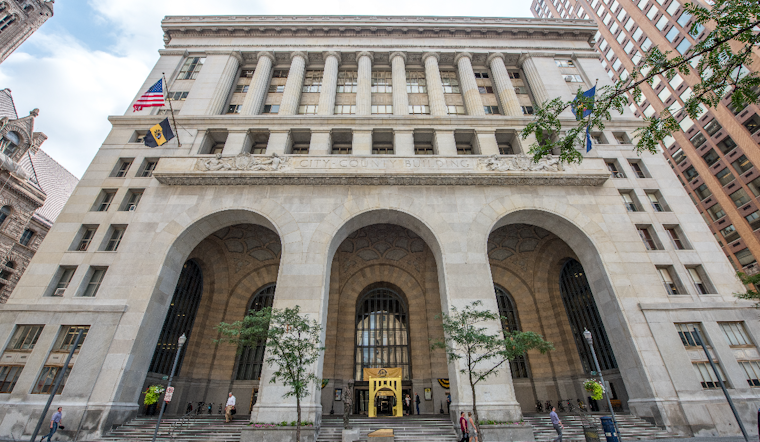
Pittsburgh is eyeing its patchwork of scrubby, city-owned lots and seeing something very different: neighborhood farms, outdoor markets, and new spots for neighbors to hang out instead of walking past.
City officials this week rolled out a proposal to turn underused public land into community assets by making it easier for residents, community groups, and small businesses to farm, host art, and run events on vacant parcels. The package is designed to turn idle ground into community gardens, orchards, pop-up markets, and outdoor event spaces, all while trimming the city’s own maintenance costs. Planners say the goal is to boost food access and create more places for people to gather close to home.
The plan, introduced to the Pittsburgh City Council, would widen the city’s stewardship programs so that residents and organizations can lock in formal leases and more organized programming on municipal greenways and vacant lots, according to TribLIVE. A new City Farms Garden track would bring more properties into reuse and allow residents and nonprofits to steward sites for growing and events. Council could take a final vote soon, and applications tied to the new agreements are expected to open this summer.
What the city's existing programs look like
Pittsburgh’s Adopt-A-Lot program, which launched in 2015, already lets neighbors turn vacant land into edible gardens or rain gardens through short licenses and leases. The city says it has helped residents adopt more than 150 lots and waives most fees, keeping only a one-time $25 market-stand permit, according to the City of Pittsburgh. The current setup splits simple household licenses from longer lease agreements that come with insurance requirements and extra review. The City Farms path and related greenway stewardship options are intended to layer in more technical help and clearer steps toward longer-term control of a site.
Fees and vending rules under the new approach
The city has also updated its vending rules and laid out a fresh fee schedule that officials say should make small-scale sales easier to navigate for entrepreneurs and community markets. The City of Pittsburgh and its March 2026 City of Pittsburgh Vending Rules & Regulations document spell out the costs and process: a Vending License is listed at $135 plus a $2 technology fee, and a Vending Location Priority Permit comes in at roughly $67 after inspection and tech fees, with additional review charges for brand-new locations. The updated rules are meant to expand where vendors can operate, add group vending sites, and clarify how vending fits into park properties and Adopt-A-Lot sites.
Scale and neighborhood impact
Planners say more protected greenways are on the way. The Greenways Stewardship Program notes that 21 additional greenways are slated to be added in 2026, bringing the total to more than 3,000 acres of conserved open space for long-term stewardship, according to the City of Pittsburgh. Under stewardship agreements, residents can build trails, plant trees, organize cleanups, and pull invasive plants, which city officials say helps cut landslide and stormwater risks while creating usable neighborhood green space. Local organizations such as Grow Pittsburgh are highlighted as technical resources for new stewards.
Next steps and how to get involved
According to TribLIVE, the proposal would allow City Farms Garden leases of up to five years, and applications are expected to open this summer if the council signs off. City planning staff are gathering feedback and setting up intake processes. Residents with questions can email [email protected] about greenway stewardship or [email protected] for vending details. If the council approves the package, neighborhood growers and community groups could be signing leases and launching markets before the growing season winds down.



