

























































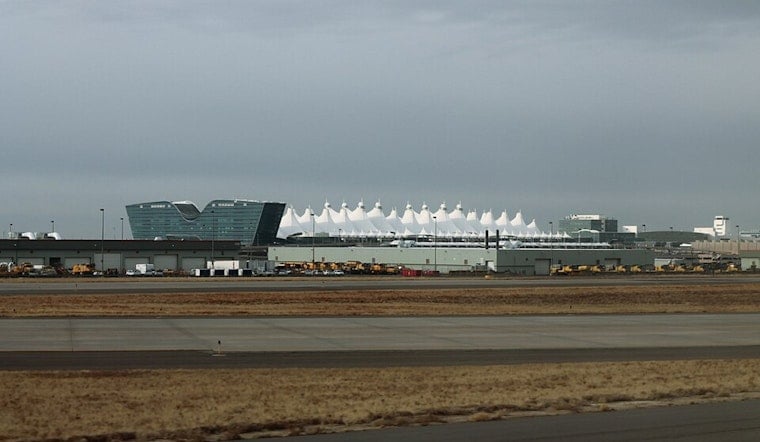
Storms rolling over the Front Range turned Denver International Airport into a travel headache on Tuesday, with nearly 400 flights knocked off schedule and crowds of weary passengers clogging gate areas and customer service lines. By midafternoon, operations at Colorado's busiest airport were straining as airlines scrambled for open seats, fresh crews, and available aircraft while travelers hunted for any flight that would still get them out of town.
According to The Denver Post, data showed roughly 384 delayed flights at DEN by about 4 p.m., split almost evenly between 194 delayed departures and 190 delayed arrivals. Four flights were canceled, a relatively small number that still added to the overall congestion as airlines tried to reshuffle disrupted schedules.
Carriers Hit Hardest
Real-time tracking at FlightAware showed Southwest taking the biggest hit, with nearly 200 delayed flights tied to Denver. United logged more than 100 delays, putting pressure on both carriers to rework their complex networks. Regional operators like SkyWest and Frontier also recorded dozens of late flights, spreading the fallout to smaller cities that rely on DEN as a key connection point.
Weather And Traffic Controls
Airlines and airport updates pointed to storms near Denver and federal traffic-management steps as the main culprits behind the slowdown. A Southwest spokeswoman told The Denver Post that "weather near Denver was impacting flights," a bland corporate way of saying that Mother Nature briefly took over the schedule.
When storms or low visibility reduce how many planes an airport can safely accept, the FAA can roll out a ground-delay program that meters traffic into the hub. The National Business Aviation Association explains that these programs assign expected departure times to flights so that arrivals are spaced out, which can help keep the skies safer, but can also turn into a long wait on the ground for passengers.
Tips For Travelers
Anyone flying through DEN while the ripple effects continue should live in their airline app and keep an eye on the airport's status page at FlyDenver. Build in extra time for security, boarding, and tight connections, since a short layover can evaporate quickly when your inbound flight leaves late.
Airlines typically offer rebooking options and, in some cases, travel waivers during weather events, but every carrier plays by its own rules. Use the app, website, or customer service line to confirm what is on the table for your specific ticket, including how checked bags will be handled if you change flights.
Because DEN is a major hub, delays there can ripple across the country and linger for days. Even passengers traveling later in the week could feel knock-on effects from Tuesday's storms, so it is worth watching for emails, texts, or app alerts as airlines work through the backlog and try to get their networks back in sync.





.jpg)