

























































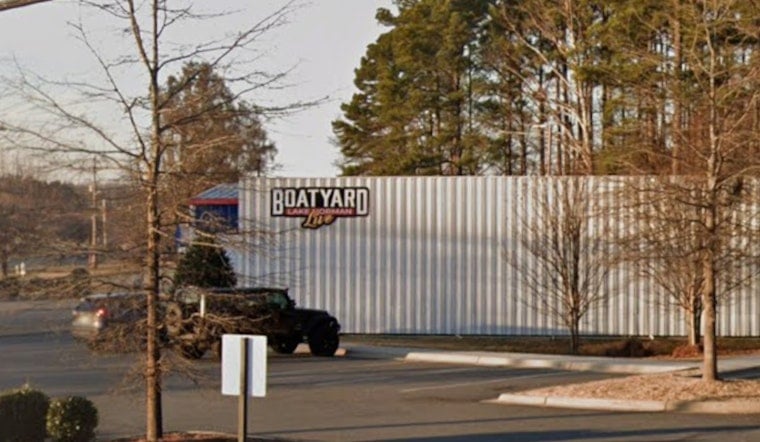
Superstar producer and rapper Swizz Beatz has taken a Cornelius music spot to federal court, accusing BoatYard Lake Norman of cranking out hits without paying for the privilege. A new lawsuit filed this week in U.S. District Court in Charlotte claims the venue repeatedly played copyrighted tracks without a public-performance license, zeroing in on the Swizz Beatz hit “Party Up (Up in Here)” and naming owner Chris Boukedes and his company Hello Bye as defendants. The filing is part of a broader batch of complaints by ASCAP members targeting small clubs and bars around the country over unpaid music licenses.
What the lawsuit says
According to The Charlotte Observer, the complaint lines up a roster of other plaintiffs and sample songs alongside Swizz Beatz’s track. Those include Universal Music Corp., Irish Intellect Music for “Jump Around,” Stone City Music Co. for “Party All the Time,” and Benjamin Berger Publishing and W. Chappell Music Corp. for “Shut Up and Dance.”
The suit alleges that ASCAP representatives repeatedly reached out to BoatYard to offer a license, that the venue declined those options, and that it kept publicly performing works controlled by ASCAP’s members without getting licensed. The plaintiffs say that under federal law the venue should owe statutory damages and are asking the court to award the maximum allowed for each work cited in the complaint.
BoatYard’s local profile
On its own marketing, BoatYard Lake Norman leans hard into its role as a live-music destination, with a steady lineup of ticketed shows, music bingo nights and tribute acts that pull fans from across the Lake Norman corridor. The venue’s website features event listings and ticket pages, with regular weekend concerts and private-event offerings promoted as part of the draw. At the time of reporting, BoatYard had not issued any public response to the lawsuit.
What the law allows
Under federal law, copyright owners can skip the fight over proving actual financial losses and instead ask for statutory damages. Those typically run from $750 up to $30,000 for each infringed work, with higher limits available if a court finds the infringement was willful. The plaintiffs in this case point to that framework, set out in Legal Information Institute, to back their claims for top-tier awards.
Why ASCAP is pressing venues
The Charlotte Observer reports that ASCAP representatives say they approached BoatYard with licensing options before the lawsuit, and that ASCAP’s licensing team portrays the case as enforcement after multiple prior notices. Similar legal waves, sometimes a dozen or more suits at a time, have been used by ASCAP members to prod venues into signing licenses rather than continuing to play music without one. Reporting on earlier rounds of litigation has highlighted ASCAP’s stated aim of nudging businesses toward settlements and compliant licenses instead of driving them out of operation.
The San Antonio Express-News has noted that in past enforcement pushes, ASCAP representatives and publishers said a typical blanket license can cost a venue about a few dollars a day, which is a tiny slice of what statutory damages could reach if a case goes badly in court.
What comes next
With the case freshly filed in federal court, the near-term steps will revolve around formally serving the defendants and handling any early motions or settlement feelers. For local regulars and performers, the suit highlights a familiar tug of war between venues that rely on popular songs to keep crowds coming and rights holders intent on enforcing public-performance rules. Court filings and any response from BoatYard will shape what happens next as the dispute works its way through the Charlotte docket.





