

























































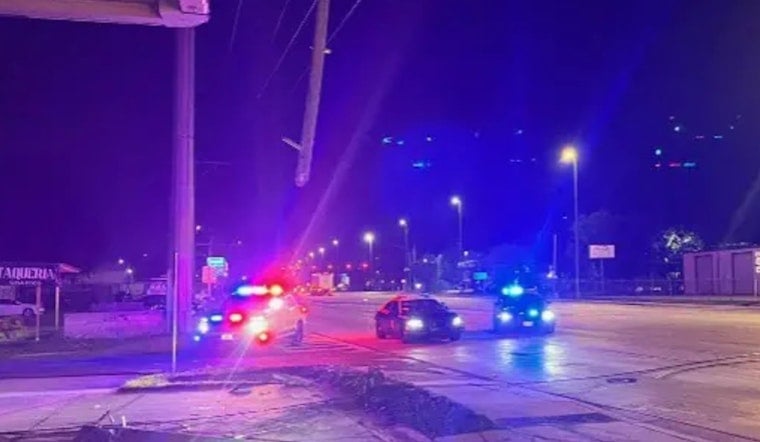
For Tampa drivers, the daily grind is looking a lot more like a daily gamble. A new analysis ranks the city as one of the most dangerous places in the country to be behind the wheel during rush hour, putting Tampa 10th nationwide. On average, the city sees about 14 fatal rush-hour crashes a year, giving Tampa a per-capita death rate that tops the national rush-hour average. Most of that risk shows up on the way home, with evening commutes accounting for roughly two-thirds of the city’s rush-hour fatalities.
Study Counts Rush-Hour Deaths Using Federal Crash Records
The ranking comes from an analysis by the Blakeley Law Firm that dug into National Highway Traffic Safety Administration crash records across the 100 most populous U.S. cities, as reported by Tampa Free Press. Researchers defined rush hour as 7:00 a.m. to 10:00 a.m. and 5:00 p.m. to 8:00 p.m., then compared several years of fatal-crash totals to calculate per-capita rates. The approach mirrors other city-by-city crash rankings and is meant to show when deaths are most likely to cluster during a typical day.
Tampa's Numbers In Plain Sight
According to a report by Blakeley Law Firm, Tampa averages 14 fatal rush-hour crashes annually, which works out to about 3.38 deaths per 100,000 residents, compared with a national rush-hour average of 2.04. The breakdown shows roughly five fatal crashes during morning commute windows and nine during evening hours, with the latter making up about 64.3% of the city’s rush-hour fatalities. Blakeley’s analysis also notes a peak of 19 fatal rush-hour crashes in 2021 and a drop back to roughly 11 in 2023, underscoring how volatile the year-to-year totals can be even when the overall risk remains high.
How Tampa Stacks Up
The study points to wide variation between cities. Kansas City, Missouri, ranks as the deadliest for rush-hour drivers, while some places such as Frisco, Texas, recorded zero rush-hour driving fatalities during the study period, according to Blakeley Law Firm. Tampa’s per-capita rate is several times higher than the safest cities in the report, a gap the authors link to differences in road design, traffic volume and enforcement patterns. The comparison is designed to give local leaders a clearer sense of just how much room there is for improvement.
Tampa Bay's Broader Safety Picture
The grim rush-hour numbers land on top of other troubling statistics for the region. Smart Growth America recently ranked the Tampa Bay metro among the more dangerous large areas in the country for people walking, citing high speeds and car-centric street designs. Together, the reports suggest the region’s streets are hazardous for both drivers and pedestrians and that design changes could cut deaths across all travel modes. Safety advocates often highlight protected crossings, more forgiving curb radii and lower design speeds as proven tools for reducing fatalities.
City Plans And What’s Next
City officials have pointed to the Tampa Moves mobility plan and a slate of targeted intersection projects as evidence that they are trying to make streets safer for everyone. The plan focuses on safer speeds, better crossings near schools and expanded options for walking and biking - priorities that line up with national safety recommendations. Whether those efforts get accelerated or broadened in light of the new ranking is likely to be a key question for advocates and transportation planners this year.
What Drivers And Policymakers Can Do
Traffic engineers and safety groups say the most effective strategies combine engineering, enforcement and education: lower posted speeds on high-risk corridors, redesign dangerous intersections and increase enforcement of impaired and distracted driving laws. Blakeley’s analysis suggests that focusing on evening-commute traffic could deliver the biggest reductions in rush-hour deaths. National datasets such as NHTSA’s Fatality Analysis Reporting System provide the underlying crash records that researchers use to track those patterns. For Tampa drivers, the message is blunt and statistical rather than sentimental: the trip home is the most hazardous part of the day.




