

























































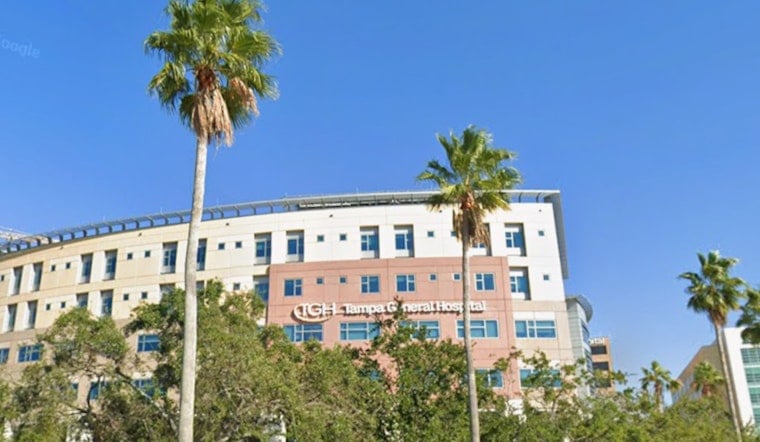
This summer, a new state pilot called Sunshine Genetics is landing at Tampa General Hospital, offering families a free, voluntary whole-genome sequencing option for their newborns, complete with follow-up genetic care. Hospital and university partners say the goal is simple but ambitious: spot rare, treatable genetic conditions long before the standard newborn screen would ever raise a red flag.
As reported by FOX 13 Tampa Bay, Tampa General will be among the first hospitals to roll out the state-funded program under Florida’s new Sunshine Genetics newborn-screening initiative. The station’s June 11, 2026 video report notes that participation will be voluntary for parents.
What It Will Look Like At TGH
According to USF Health, families delivering at Tampa General will be offered clinical whole-genome sequencing for their babies at no cost, along with genetic counseling and follow-up care folded into the service. USF points out that Tampa General delivers more than 7,000 babies a year and cares for some of Florida’s highest-risk newborns, which health leaders say makes it a natural choice as a pilot site.
Statewide Pilot, Big Goals
The statewide effort is being coordinated by the Florida Institute for Pediatric Rare Diseases at Florida State University. The Institute says Sunshine Genetics will use whole-genome sequencing to screen newborns for hundreds of additional conditions beyond what the standard newborn test can currently catch. FSU’s IPRD describes Sunshine Genetics as a five-year pilot with ambitious enrollment goals, while reporting from the University of Miami notes early planning documents that envision screening lists covering several-hundreds of genes and sequencing as many as roughly 100,000 infants over the life of the pilot.
Who’s Running The Testing
On the lab side, private partner GeneDx has been tapped to handle both sequencing and clinical interpretation for participating hospitals. In a company announcement, GeneDx said it will provide clinical-grade sequencing and expert reporting, with results sent back to clinicians and families as part of routine care.
Consent, Data And Oversight
State law that created Sunshine Genetics spells out how all of this is supposed to work. Parents must provide consent before any newborn sequencing is done, and a Sunshine Genetics Consortium is tasked with overseeing the clinical and research sides of the program. The statute requires that clinical results go to the infant’s clinician and parent, and it allows de-identified data to be shared with consortium researchers under formal data-sharing agreements. Those safeguards, reporting timelines and the five-year pilot scope are detailed in the Sunshine Genetics law.
Florida Senate language directs the Institute and Consortium to track clinical impact, whole-genome sequencing metrics and cost-effectiveness as the pilot unfolds.
What Parents In Tampa Should Know
For parents delivering at Tampa General this summer, the offer should be straightforward: a voluntary whole-genome sequencing option for their newborn, plus access to genetic counseling if they choose to enroll. Educational materials and sign-up details are being developed and distributed by the consortium partners. For families and clinicians looking for more information, the Sunshine Genetics pages maintained by FSU’s Institute for Pediatric Rare Diseases include program FAQs, contact details and resources. FSU’s IPRD lists program information and a contact email for questions.
State health officials and hospital leaders say the pilot could dramatically shorten the so-called diagnostic odyssey for children with rare disorders, getting them to treatment faster and with fewer medical dead-ends. Public health agencies will be watching enrollment, outcomes and costs as the program ramps up, with Tampa General serving as one of several early launch sites around Florida as Sunshine Genetics scales up this year.





