

























































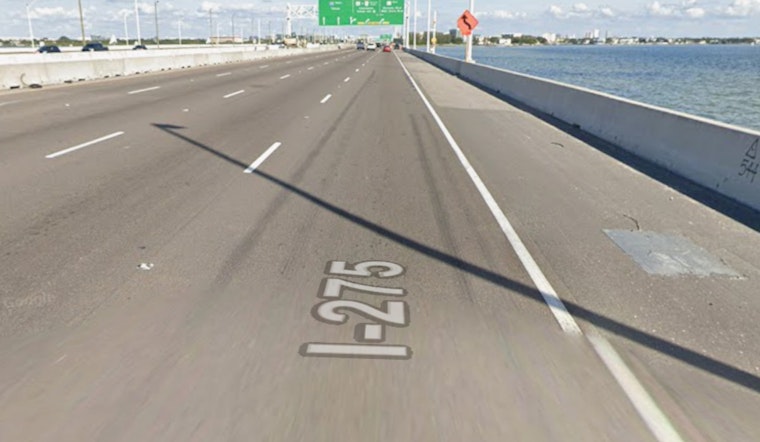
In a closely split vote that capped years of arguing over concrete and capacity, Hillsborough County's Transportation Planning Organization voted 8‑6 last Wednesday to strip a long‑debated plan to widen I‑275 between Hillsborough Avenue and Bearss Avenue out of the county’s five‑year Transportation Improvement Program. The move pulls the corridor’s proposed one‑lane‑each‑direction expansion from the TIP’s short‑term funding lineup and leaves construction unfunded for the FY2027–2031 cycle.
During the hearing, the board first turned down a motion by Hillsborough County Commissioner Josh Wostal to keep the widening in the TIP, then approved a separate motion to delete the single‑lane expansion, according to Creative Loafing Tampa. Coverage by outlets such as WMNF noted that the decision followed intense public comment and a recommendation from the TPO’s Citizens Advisory Committee.
Project scope and funding
State project materials describe the Hillsborough‑to‑Bearss stretch as roughly 5.2 miles that would add one general‑purpose lane in each direction, widen outside shoulders so they can accommodate transit, install LED lighting and build noise‑barrier walls. The fact sheet from FDOT also notes the work is currently in design and that construction is not funded. A 2025 TPO presentation put the estimated cost at about $225 million and kept the corridor on the board’s priority projects list, per Plan Hillsborough.
Neighbors and elected voices
Transit advocates and neighborhood leaders came ready to fight the widening at the hearing. Dayna Lazarus, a Transit Now Tampa Bay co‑founder and CAC member, told Creative Loafing Tampa that projects like this are "extremely financially wasteful" and place a disproportionate burden on Black and Hispanic communities. The debate was hardly gentle: Old Seminole Heights resident Keith Wagner urged the board to back the project so homes could get a concrete barrier, Plant City Mayor Nathan Kilton argued the extra lane capacity is needed to move people into the city, and Tampa City Councilmember Lynn Hurtak highlighted pedestrian‑safety risks while the board weighed its options.
What removal means and next steps
Taking this line item out of the TIP removes the widening from the active five‑year programming window, which means FDOT cannot program state or federal construction dollars for the segment unless the TPO board revisits the decision. As Plan Hillsborough explains, the TIP functions as the formal five‑year list that agencies use to program projects for funding, so the corridor would have to be re‑introduced and approved again by the TPO before it can advance for grants.
Background: How we got here
The Hillsborough‑to‑Bearss widening has been on the books for years as part of FDOT’s broader regional planning and was once tied to the controversial Tampa Bay Express proposals. Opponents forced changes after the TBX fights in 2016, and FDOT later folded the corridor work into its Tampa Bay Next initiative. FDOT’s Tampa Bay Next materials show the I‑275 corridor has undergone repeated studies focusing on capacity, operations and safety improvements, while reporting from that era documented intense neighborhood resistance during the TBX battles.
Advocates who opposed the widening greeted the TPO vote as a modest win and a sign that concerns about equity, cost and safety are getting traction, but they also stressed that other highway expansion projects remain in county planning documents. They say they will keep pressing for transit and safety investments at upcoming hearings, and residents can follow future meetings and public‑comment opportunities through the TPO and local news outlets as the fight over I‑275’s future rolls on.



