

























































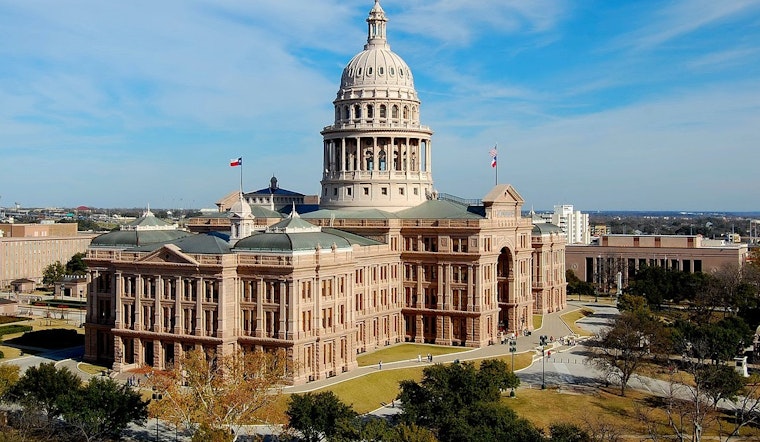
What started as a routine policy check at the Texas Capitol turned into a marathon showdown on May 28, after a top official with the Texas Commission on Law Enforcement hinted the agency might nudge Texas toward fewer local police departments. During a nearly eight-hour House hearing, TCOLE Deputy Chief TJ Vineyard told representatives the commission is "starting to look now at encouraging the consolidation of agencies." That single line set off alarms for police unions and small-town chiefs, who warned lawmakers that any push to merge departments could gut community policing in smaller and suburban corners of the state.
Vineyard’s remark, and the broader testimony that followed, quickly ricocheted through policing circles and social media, where critics warned consolidation could put municipal departments on the chopping block, according to ABC13. In the same coverage, TCOLE Executive Director Gregory Stevens stressed that the agency’s priority is making departments comply with tougher statewide rules. When asked directly in the hearing whether TCOLE was trying to remove officers from the street, the record shows Stevens responded, "One hundred percent." The nearly eight-hour session zeroed in on police standards and policy and drew a long line of witnesses and officials from across Texas.
TCOLE’s own statistics help explain the scale of what lawmakers were sparring over. The commission’s current statistics page lists roughly 83,400 peace-officer licenses and more than 2,700 active agencies statewide, numbers that officials say they use to track training needs and resource gaps. According to TCOLE, those totals form the backdrop for conversations about overlapping coverage areas and duplicated administrative work. Agency leaders argue that, where overlap exists, coordinated services or shared resources could trim costs and make training more consistent from one department to the next.
TCOLE Tries to Calm Shutdown Fears
Under pointed questioning, TCOLE leaders insisted they are not in the business of shuttering small-town or school police departments. "It’s absolutely not true," Stevens said when pressed on whether the commission aimed to close municipal or school agencies, adding that TCOLE wants every department to meet higher minimum qualifications and training thresholds that were recently adopted in new rules. Jennifer Szimanski of the Combined Law Enforcement Associations of Texas told ABC13 that "consolidation is not the legislative intent for TCOLE," even as unions and local leaders continued to demand clearer language from the commission about where this conversation is really headed.
Research Says Consolidation Cuts Costs, Raises Headaches
Outside the political fireworks, the research on consolidation is a mixed bag. A 2018 report from Rice University’s Kinder Institute found that consolidating certain patrol duties in Harris County could free up tens of millions of dollars and redirect money to beef up patrol units, according to Rice University. At the same time, the analysis warned that mergers can trigger serious administrative complications and stir deep community concerns. That combination of promised savings and political risk helps explain why big-county officials, small-city leaders, and labor groups all reacted so sharply in the House hearing.
What Happens Next
Even the most consolidation-friendly lawmakers acknowledged that serious restructuring would not be fast or simple. Researchers and state officials say any major shift toward merging departments would require new legislation, complex contract negotiations, and years of local trust-building. Experts who studied Harris County cautioned that consolidation is no quick fix for budget strain and could take years to design and roll out. For now, TCOLE says its immediate focus is on technical assistance and enforcing higher standards across existing agencies, a stance that all but guarantees the consolidation fight will resurface in future legislative debates and local planning talks.





