

























































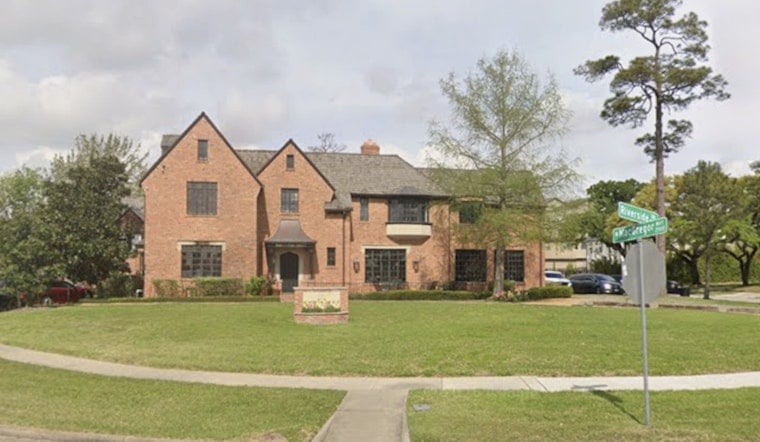
Sean Roberts is steering a roughly $20 million makeover of Houston’s Riverside Terrace that would flip several mid‑century mansions into a tight, walkable commercial strip. The privately funded plan calls for hotels, multiple restaurants, an urban farm, an art gallery and a Black art museum tucked into homes along Riverside Drive and North MacGregor. The rollout has quickly revived Third Ward arguments over preservation, long-promised amenities and who actually benefits when historic houses get new lives.
What the plan includes
The proposal is pitched as a $20 million revitalization that turns mid‑century mansions into office and commercial space and is expected to feature a hotel, four restaurants, an urban farm, an art gallery and the growing Black Art Museum of Houston, according to the Houston Business Journal. Roberts presents the effort as adaptive reuse instead of large-scale demolition, clustering hospitality and cultural spots inside revamped residences. The Business Journal describes a compact commercial corridor that is meant to put more services within reach of longtime neighbors.
Roberts' pitch: preservation, not displacement
Roberts, who heads the law firm Roberts Markland LLP, has been buying and renovating properties in Riverside Terrace and says the goal is to protect the neighborhood’s architecture while adding jobs and basic services. "We are dedicated to preserving and revitalizing this important historic section of Riverside Terrace, one building, one business, one block at a time," Roberts told the Defender Network. In his telling, turning underused mansions into offices, restaurants and galleries keeps the visual character intact and nudges the area toward a more walkable, self-contained district.
Neighborhood history and architecture
Riverside Terrace dates back to the 1920s and carries a broad mix of styles, from Colonial and Tudor Revival to standout mid‑century modern homes, according to the City of Houston's historic district report. Historians and local reporting note that parts of the area picked up the nickname “Black River Oaks” because of its concentration of prominent Black professionals and tree-lined boulevards, a legacy highlighted by the Houston Chronicle. That history is a big reason any new development here tends to hit a nerve.
What Roberts has bought
Roberts’ firm says it has purchased and is restoring several historic residences along Riverside Drive and North MacGregor, with plans to convert them to office and commercial use, according to a press release from Roberts Markland LLP. The firm lists specific properties it is reworking and floats concepts it hopes to land there, including a Hotel King David, an art gallery and new restaurants. In those materials, the developers present themselves as neighborhood stewards who are using private capital to add local amenities while keeping the streetscape recognizable.
Neighbors voice concern
Plenty of neighbors are cautious, and some are openly skeptical. Civic leaders and residents have been calling for more direct community input on new proposals and have tracked recent projects closely. A disputed gas station plan earlier this year triggered a town hall meeting and drew sharp criticism from State Rep. Jolanda Jones and Councilwoman Carolyn Evans‑Shabazz, who flagged environmental worries and quality-of-life issues, according to FOX 26 Houston. That fight underscored how quickly a promised “amenity” can be seen as a threat to the neighborhood’s character.
Timeline and next steps
Coverage in the Houston Business Journal notes that the $20 million effort is still in its early stages, with no firm opening dates yet for the hotel or restaurants. A newsroom post from Roberts’ firm says construction and restoration work has already started on several buildings and that the immediate priority is lining up tenants and contractors before any grand openings, according to the firm’s public statement. City permitting, neighborhood meetings and lease negotiations will ultimately dictate how fast the project moves and what the final lineup looks like.
Why it matters
The redevelopment is shaping up as a test of whether adaptive reuse can bring new amenities to Riverside Terrace without pushing out the community that gave the neighborhood its reputation. How Houston handles historic designations, permits and public input will help decide whether this becomes a shared win or another flashpoint in the city’s long-running debate over gentrification, a tension the Houston Chronicle has tracked. For residents who remember Riverside Terrace’s mid‑century peak, the stakes land less like a zoning tweak and more like a question about whose story gets to stay on the block.




