

























































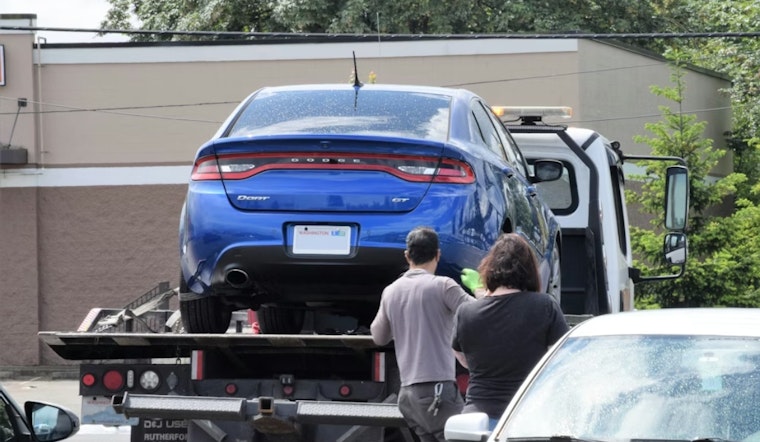
Drivers popping into nearby restaurants for a quick takeout run are finding out the hard way that the parking lot outside a CVS in Fort Worth’s Medical District is anything but friendly territory. A CBS I‑Team investigation captured tow truck crews sweeping through the private lot, targeting vehicles and hauling them off within minutes while owners were still waiting on their food.
Over three days of watching the lot, observers say the tow operators snapped photos of license plates, hooked up cars almost as soon as drivers walked away, and left several motorists paying roughly $135 to get their vehicles back. The rapid‑fire removals sparked questions about whether every tow was on solid legal ground and led officials to tell reporters that some of those drivers might actually qualify for refunds.
The I‑Team’s cameras showed trucks rolling in, scouting the rows and moving fast, at times beginning to hook vehicles just as owners were returning with their orders. According to CBS News Texas, multiple drivers reported paying about $135 to recover their cars, and officials indicated that refunds could be on the table once the station started pressing for answers. Between the video and eyewitness accounts, neighbors and regulars in the medical corridor are now openly wondering where consumer protection ends, and predatory towing begins.
What State Rules Allow
Texas law spells out what tow operators can and cannot do on private property, and it gives drivers some leverage if they catch a tow in progress. The Texas Department of Licensing and Regulation says that if you return to your car while it is only partly hooked up, you are allowed to take it back without paying. If the vehicle is fully hooked but still on the lot, you can demand a release for a “drop fee,” and for cars under 10,000 pounds, the statewide cap on that fee is $135.
TDLR also outlines how to track down a vehicle that has already been towed to a storage yard, how to request a tow hearing in Justice of the Peace court, and what identification you will need to reclaim your car. Those rules are meant to keep the system from turning into a free‑for‑all in favor of the tow companies.
Fort Worth Rules And Penalties
On top of state law, Fort Worth has its own playbook for how tow trucks and storage facilities are supposed to operate within city limits. The city’s towing ordinance, laid out in the Fort Worth city code, sets maximum distances that non‑consent tows can travel and creates penalties when operators or property owners step out of bounds. Violations can draw fines of up to $500 per day, giving the city a way to go after repeat offenders.
City leaders framed those local tweaks as a way to keep towing efficient for property owners while still putting meaningful protections in place for drivers in a fast‑growing city. In theory, that balance is supposed to prevent exactly the kind of towing free‑for‑all that now has Medical District motorists crying foul.
Refunds And State Enforcement
When two companies cross legal lines or tack on improper fees, TDLR has the power to do more than just scold them. The agency can order money returned to consumers, and in fiscal 2025, it reported more than $62,000 handed back to motorists in towing and storage cases. Those numbers show that refunds are not just a talking point; they are a regular outcome when regulators confirm that tows were illegal or charges were out of bounds.
That enforcement track also signals to drivers that filing complaints can matter. Reports of aggressive or predatory towing can spark investigations and, if violations are found, lead to both penalties for companies and restitution for the people who paid the price.
What Drivers Can Do
If your car disappears from a private lot like the CVS in question, the first move is to gather evidence instead of just fuming at the impound gate. Take photos of any posted parking or towing signs, the spot where you parked, and, if possible, the tow truck itself. Hang on to receipts and note times, dates, and the names of anyone you deal with, from store staff to tow yard workers.
With that in hand, you can file a complaint with TDLR and consider requesting a tow hearing in the Justice of the Peace court where the tow occurred. As FOX 4 Dallas‑Fort Worth notes, a hearing generally must be requested within 14 days, and it can be the fastest way to challenge a questionable tow while state regulators decide whether to take separate enforcement action or seek refunds.
The CBS I‑Team’s work has thrown a bright spotlight on how towing is playing out around retail lots in Fort Worth’s medical corridor, and regulators say they are paying attention. Motorists who think their vehicles were wrongly snatched from that CVS lot or anywhere else are being urged to document everything, contact TDLR, and reach out to their local Justice of the Peace to explore their options for hearings and refunds.





