

























































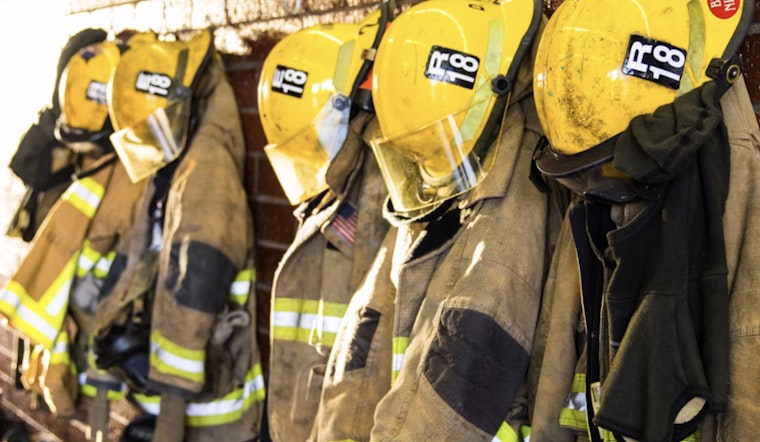
For firefighters in Spring, Texas, the real danger does not always end when the flames are out. The smoke, soot and chemicals that cling to their jackets, packs and helmets after a call can quietly follow them back to the station and even home. In response, the Spring Fire Department has overhauled how it handles dirty turnout gear, pairing industrial extraction machines with mandatory medical checks in an effort to keep carcinogens off crews and out of their living rooms. The effort grew out of painful local losses and is designed to catch cancer earlier and lower long-term risk for firefighters and their families.
New routines at the station
As reported by FOX 26 Houston, Spring has installed specialized gear washers and extractor units and now issues each firefighter two full sets of turnout gear so no one is forced to wear contaminated equipment between calls. Department leaders say the machines go to work as soon as crews return, forming the backbone of a multi-step decontamination routine meant to strip out as much residue as possible.
How the machines work
The setup includes the Solo Rescue decon washer, DeconFilter systems and drying cabinets. The manufacturer says the system is designed to mechanically clean SCBAs, helmets, gloves and garment liners, which cuts down on risky hand-scrubbing and speeds the turnaround time for clean gear. According to RESCUE Intellitech, this kind of machine-based washing is intended to reduce dermal exposure and help fire departments stay in line with NFPA guidance on how protective gear should be cared for.
Why it matters
Contaminated protective gear is not just a nuisance, it is linked to higher cancer risk among firefighters. The Firefighter Cancer Support Network reports that cancer accounted for 66% of career firefighter line-of-duty deaths from 2002 to 2019. A major pooled cohort study by NIOSH found elevated cancer incidence among career firefighters compared with the general population, findings that have pushed departments nationwide to treat clean gear as basic safety equipment, not a luxury.
A policy born from loss
Spring's program traces back in part to the 2015 death of Capt. Darrell Falls. The department launched mandatory annual physicals in 2016, and one of those screenings caught testicular cancer in a firefighter who went through treatment and is still serving, according to FOX 26 Houston. "The wellness exams was the one that stuck out, and it's a costly exam, but our firefighters are very valuable to us," Chief Scott Seifert told FOX 26. Officials say they plan to keep the annual screenings in place and continue drilling firefighters on the multi-step decontamination routine.
Costs, culture and the bigger picture
The NFPA's recent move to consolidate PPE and SCBA guidance into NFPA 1850 is nudging departments toward documented, machine-based cleaning cycles. For smaller agencies, that shift can be pricey and disruptive to day-to-day operations, as industry reporting has noted. Many of those departments lean on independent service providers for advanced cleaning, while larger agencies are more likely to invest in on-site extractors and drying cabinets so gear can be turned around quickly and stations stay cleaner, according to trade coverage and vendor resources.
Spring's approach shows how a local policy change can translate into real health protections: finding some cancers while they are still treatable and cutting down on the contamination that can trail firefighters into their homes. Departments watching from the sidelines will have to decide whether the upfront costs are worth the potential long-term payoff in firefighter health and retirement readiness.





