

























































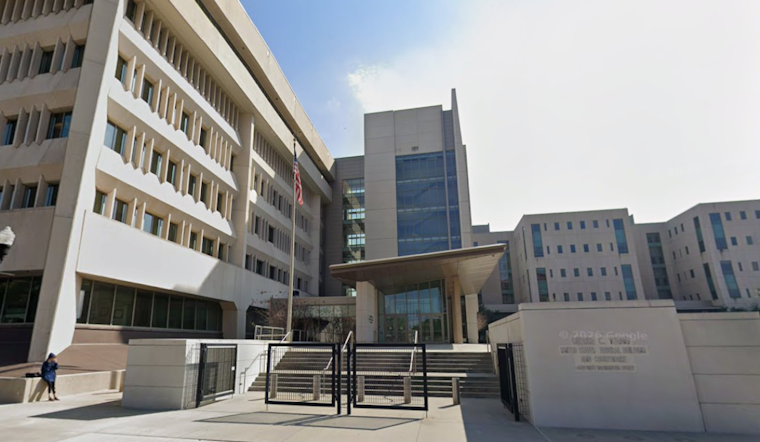
A U.S.-Israeli citizen recently extradited from Norway was arraigned Monday in federal court in Orlando on charges alleging threats to Jewish community centers, authorities said. The brief hearing at the George C. Young Federal Annex in downtown Orlando set initial conditions for release and put follow-up court dates on the calendar. Federal and local investigators say the case shows how quickly online threats can escalate into an international law-enforcement operation.
The #FBI and its global reach to defend the homeland.
— FBI Tampa (@FBITampa) June 22, 2026
A U.S.- Israeli citizen is extradited from Norway and arraigned today in an Orlando courtroom on charges of making alleged threats to Jewish community centers.https://t.co/sl7m1ODfE6 pic.twitter.com/MPAcMvqIRV
The development was first made public by the FBI’s Tampa field office on X. In a brief post, FBI Tampa said the individual was brought from Norway to the United States and arraigned in Orlando, calling the matter an example of “the #FBI and its global reach to defend the homeland.” The social media post did not identify the defendant and did not include a charging document.
Where the Case Is Being Handled
The arraignment took place at the George C. Young Federal Annex, which serves as the Orlando courthouse for the Middle District of Florida. According to the Middle District of Florida, the Orlando division handles federal criminal cases that arise in the region, including matters with interstate or international elements. Federal prosecutors in such cases typically coordinate with the FBI and overseas partners when suspects are transferred to the United States from other countries.
Possible Federal Charges and Legal Context
When threatening communications cross state or national borders, federal prosecutors often turn to statutes that cover interstate transmissions. One commonly cited provision is 18 U.S.C. § 875, which addresses communications containing threats. Department of Justice guidance discusses how these laws can apply to electronic posts, phone calls, or emails. As noted in the U.S. Code, the specific charges and possible penalties depend on the allegations spelled out in any indictment or complaint.
Context: Why Authorities Treat These Cases Seriously
Threats targeting Jewish institutions tend to trigger fast, coordinated law-enforcement responses because they can lead to evacuations and lingering fear in surrounding communities. A widely reported 2017 wave of bomb threats against Jewish community centers across the United States prompted multi-agency and international investigations, along with security advisories for local facilities. The Anti-Defamation League tracked that spate of threats and has warned that recurring incidents force organizations to keep security measures on high alert.
In the current Orlando case, court filings and a more detailed charging document have not yet appeared in public records, and prosecutors will determine whether to seek an indictment as the investigation moves forward. Defense counsel for the defendant had not been identified in available records as of Monday. As FBI Tampa put it, the matter is being held up inside the bureau as an example of “the #FBI and its global reach to defend the homeland.”



