

























































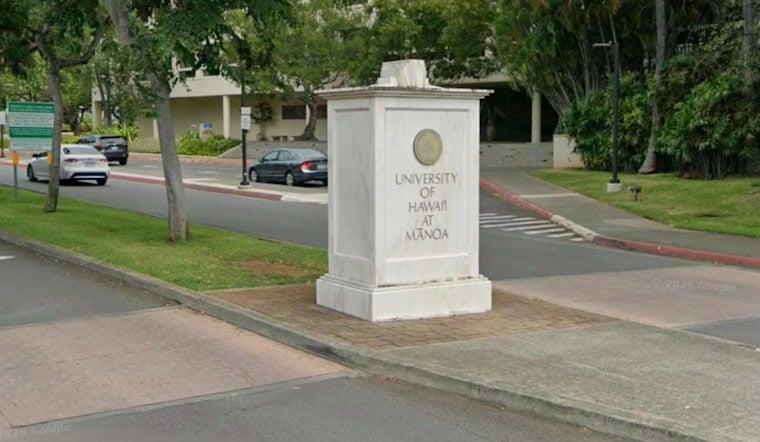
The University of Hawaiʻi is moving to tighten the rules of campus protest, floating a proposal that would cap noise at 60 decibels, outlaw overnight camping and tents, and nudge demonstrations away from building entrances while classes are in session. Officials say the package is simply an update to the system’s long-standing time, place and manner policy and that it would be rolled out provisionally before the fall semester. Many students and faculty are not buying that framing and warn the plan could sharply shrink the spaces where people can meaningfully exercise protected speech on campus.
What the Draft Would Do
As reported by Hawaii News Now, the proposed systemwide changes would set a 60-decibel noise limit, ban overnight camping and tents on campus, and impose distance requirements that keep protests away from certain building entrances during school hours. Administrators describe the package as a revision to how expressive activities are managed on University property, not an attempt to shut them down.
Campus Pushback
Students and faculty have already started organizing against the draft, arguing the new limits would chill campus activism and blunt traditional forms of dissent. Political science professor Dean Saranillio told Hawaiʻi Public Radio that the rules "render protests by students and faculty at University of Hawaiʻi inconsequential," a warning that has quickly become a rallying cry. The Faculty Senate has already moved to slow the process, pushing for a delay so the campus community can dig into the details before anything is locked in.
Policy Text Under Review
The system's draft executive policy spells out how campuses may adopt content-neutral limits, including setting noise levels and regulating temporary structures such as tents, according to the draft Executive Policy 10.206 posted by the University. The redlined version, dated Nov. 10, 2025, lays out specific provisions that administrators say are meant to balance free expression with safety and day-to-day campus operations, even as critics worry the balance is tipping the wrong way.
University Response and Timeline
In a statement given to Hawaii News Now, university officials said the update "reaffirms the rights of students, faculty, and staff to engage in expressive activities" and noted that the review of the policy began in November 2025 with consultations across campus. A spokesperson told the outlet the new rules are expected to be implemented on a provisional basis before the fall semester, with administrators promising continued outreach and feedback while the community test-drives the changes.
Legal Context and National Trends
Legal experts and free-speech advocates say public universities can adopt time, place and manner rules as long as they are narrowly tailored and avoid content or viewpoint discrimination, a standard emphasized by the Foundation for Individual Rights in Education. That tightrope walk, protecting campus operations while keeping debate robust, has sparked similar fights at public universities across the country, and UH now finds itself squarely in the middle of that national tug of war.
What's Next
The Faculty Senate and student organizers say they are not backing off and plan to continue pressing administrators for changes to the draft and for more time and space for public input, according to Hawaiʻi Public Radio. Members of the public who want to track the proposal or offer testimony can find materials and instructions on the University’s Board of Regents site, where the policy debate is expected to play out in the coming months.




