

























































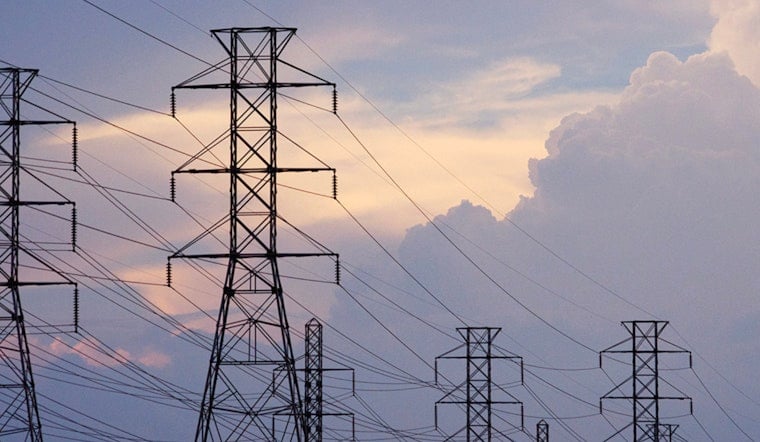
Smart Path Connect, the multi-segment transmission rebuild across northern and central New York, is now officially in service, according to state officials, adding roughly 1 gigawatt of deliverable capacity and aiming to save hundreds of millions of dollars a year in congestion costs. The project replaces aging 230 kV lines with a continuous 345 kV corridor and modernized substations so more in-state renewable power can actually make it from upstate generators to downstate demand centers.
Project basics
According to the New York Power Authority, Smart Path Connect rebuilt about 100 miles of transmission and unlocks roughly 1,000 megawatts of additional capacity while reducing congestion that NYPA says will translate into approximately $438 million in annual savings. NYPA also points to new digital substations and other technology it expects will cut emissions and sharpen operational visibility along the corridor. The authority describes the rebuild as a crucial missing link in the statewide effort to move hydro, wind and other renewables that are currently bottled up in the north to the state’s biggest load centers.
How it was built
National Grid marked a major construction milestone on the southern alignment this spring, noting that crews had installed the last of more than 600 poles and logged over 1 million field work hours since ground was broken in late 2022, as detailed on National Grid's Upstate Upgrade site. The utility led the 55 mile southern segment between Croghan and Marcy while NYPA handled the project’s northern alignment, and the two sections now link up to form a continuous 345 kV pathway. Project teams say they relied mostly on existing rights of way and used taller, steel poles to boost storm resilience and cut future maintenance needs.
Why it matters now
The timing is not accidental. State grid planners have been warning that New York’s reliability margins are unusually tight heading into this summer. The New York Independent System Operator’s assessment, reported by Utility Dive, found the system could be left with only a few hundred megawatts of spare capacity under baseline conditions, making every bit of new transfer capability and demand-side help matter when heat waves or unexpected outages hit. Operators say the added transmission headroom should reduce curtailments and make short-term emergency measures less likely when the grid is under stress.
What residents should know
Officials have tried to translate all of this into something closer to kitchen-table math, framing the project’s savings as roughly a dollar a month for a typical household once production-cost reductions are spread across customers, Spectrum News reported. Those savings come from lower congestion and fewer forced curtailments of low-cost renewables rather than any immediate rate cut, and utilities say the clearest near-term benefits will be more reliable service and fewer operational limits on upstate generation. Local leaders also point to jobs and contracting dollars during construction as a short-term economic win for communities along the route.
What’s next
Smart Path Connect is one piece of a larger Upstate Upgrade portfolio that National Grid says will encompass more than 70 projects through 2030 to harden transmission and expand capacity, according to National Grid's Upstate Upgrade. Regulators and grid operators will be watching closely to see whether the newly available capacity actually eases price spikes and curtailments during peak weather this summer, while planners emphasize that interconnection work, storage and demand-side programs are still essential to turn these transmission gains into durable reliability. For now, state and utility officials are billing the project’s energization as a significant step toward a more resilient, cleaner power system for New York.





.jpg)