

























































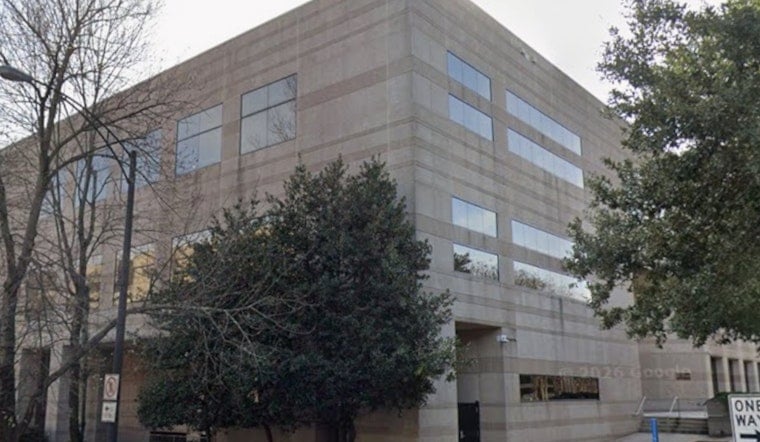
Surveillance video from inside the Mecklenburg County Detention Center shows it took at least 70 minutes for staff to provide medical aid to a man who later died of an overdose, according to records and reporting. The footage, recorded July 6, 2022 and released in June 2026 under a court order, shows officers and medical staff repeatedly passing the detainee's housing unit as his condition worsens. His family says the delay amounted to deliberate indifference and has filed a federal lawsuit.
What the video shows
In the court-ordered footage, which begins at 6 a.m. on July 6, 2022, the man later identified in filings as Russell Fincham is seen vomiting dark fluid and lying on a cot while officers and other residents move through the pod. Around 8:00 a.m., a nurse appears, and medical staff can be seen standing outside the unit shortly afterward. They do not go in until about 8:23 a.m.; records and reporting state that naloxone (Narcan) was not administered until about 8:29 a.m., and Fincham was pronounced dead at 8:56 a.m. These timings and the described details come from the released video and local reporting by FOX Carolina.
Family files federal lawsuit
Fincham's mother has filed a federal wrongful-death suit that claims detention officers and the jail’s medical provider failed to follow required observation and medical-care policies, leaving him without help even as his distress became obvious. The complaint states that Fincham vomited repeatedly from the evening of July 5 into the morning of July 6 and alleges staff missed mandated safety checks, citing a broader pattern of understaffing and inadequate monitoring. Those allegations, the list of defendants and the detailed timeline appear in the family's federal complaint, which is publicly available on Scribd.
State inspectors had warned of staffing gaps
Even before Fincham's death, state health and jail inspectors had repeatedly flagged the Mecklenburg facility for staffing shortages and missed safety checks. They warned county leaders that conditions at the jail put both residents and staff at risk and recommended reducing the jail population in late 2021 and early 2022. Those findings, along with the state's demand for a corrective plan, form part of the backdrop cited by the family's attorneys in the lawsuit. Reporting on the inspection results and the county's response has been documented by the Charlotte Observer.
Officials push back
Asked about the newly released video, the sheriff's office said it could not comment on active litigation. Sheriff Garry McFadden has previously told voters that many in-custody deaths stem from the poor health of people booked into the jail. Fincham’s mother, speaking to reporters, said, "It is a constitutional right to be provided medical care," and voiced support for the video's release so the public can see how the jail responded. Those statements and the sheriff's limited response were reported by FOX Carolina.
Legal claims and next steps
The suit names Sheriff Garry McFadden, Mecklenburg County, several detention staff members and the facility's former health-care contractor, alleging constitutional violations and wrongful death tied to failures in supervision and medical care. The family is seeking damages and points to surveillance footage, staffing logs and state inspection letters as key evidence. Court filings show a judge allowed the family to release the video to news outlets. The legal paperwork and case timeline are summarized in the family's federal complaint, which is part of the public record on Scribd.
Why this matters locally
The video lands amid ongoing scrutiny of Mecklenburg County's uptown jail, where staffing and safety practices have already prompted state intervention, in-custody death reviews and other lawsuits. For Charlotte residents, the footage and the Fincham family’s lawsuit sharpen existing questions about how understaffing, required monitoring and the quality of jail medical care fit together, and whether state and county actions will translate into daily changes inside the detention center. The broader record of those concerns appears in prior reporting and state inspection documents, including coverage by the Charlotte Observer.




