

























































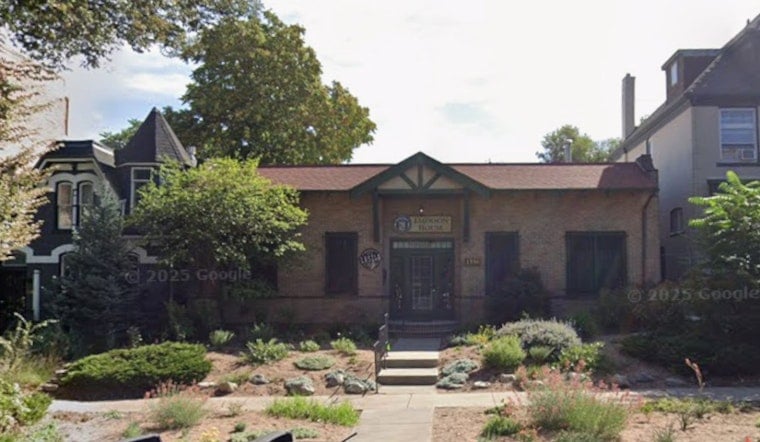
What used to be a sleepy stretch of Emerson Street in Uptown Denver is now the focus of a neighborhood fight over a small, faith-based morning program that residents say has upended daily life. The house at 1556 Emerson, home to a short discipleship-style day center, operates only in the mornings and does not offer overnight beds. Neighbors say the limited hours have turned their block into a magnet for trouble, with people sleeping outside when the house is closed, fights breaking out, open drug use in the alley between Colfax and 16th Avenue, and a steady rise in calls to police since services began.
According to BusinessDen, landlord Carmen Galante bought 1556 Emerson in March 2025 for about $900,000, with roughly $500,000 in seller financing from the Garden Club of Denver. The house is now leased to Camille Curry and her small nonprofit, Bus Stop Ministries Inc. Curry opened the Jesus Discipleship Center there last year, running a free weekday breakfast and morning program that typically operates from about 6:30 a.m. to 10 a.m. Public records and reporting describe modest nonprofit revenues and note that the program has hired at least one paid security guard to walk the block.
Neighbors Say Trouble Followed Breakfast Crowd
Neighbors told BusinessDen that calls to police about the property spiked once the center started serving people experiencing homelessness. Denver Police Department data cited in that reporting show about 49 calls to the address since services began, compared with zero in the previous year. Residents describe public urination and defecation, open-air drug deals, fights on or near the property, and people bedding down outside the house when it is closed. Neighbor Eric Duncan told reporters that “drug use, homelessness and crime easily tripled” after the center opened, and several residents say the 30-minute security patrols have not stopped recurring problems.
Owner Defends Program
Curry and her supporters describe the house as an outreach hub that offers breakfast, connects people with shelter and treatment options, and tries to move guests into rehab programs. Curry has told reporters she has helped dozens of people enter treatment. Some neighbors who have met her and spoken with guests say they have seen acts of kindness and agree the morning meal serves a real need.
Critics in the area argue that the current setup, a faith-based drop-in that is open only in the morning instead of a fully staffed 24-hour shelter, leaves people with nowhere to go later in the day and concentrates visible problems on the surrounding blocks. Similar day-center models are used elsewhere as a way to triage services and referrals, according to county homeless-services guidance, but residents on Emerson say the impact on this particular residential block has been hard to ignore.
Mediation And City Options
The tension was serious enough that neighbors and the house operator entered a mediation process earlier this year, meeting in January. Participants say those talks have provided only limited relief so far. The city offers neighborhood mediation through its Human Rights & Community Partnerships program; see Denvergov.org for information on how conflicts like this can be handled.
Denver’s Department of Housing Stability also directs both residents and people experiencing homelessness to official “front-door” shelter access points and to city-recognized day-center resources that can connect people with services and longer-term care. Details on those options are available at Denvergov.org.
What Comes Next
Neighbors say some residents are prepared to press the landlord and the city for tighter oversight or potential code enforcement if conditions do not improve. Others argue that the real solution lies in building more official, professionally staffed day-center capacity so outreach work is not squeezed into a single house on a residential street.
For now, residents say they plan to keep documenting incidents, continue calling 311 or police when safety concerns arise, and stay at the table if further mediation sessions are scheduled. The fight on Emerson captures a larger Denver dilemma: how to expand services and treatment pathways for people in crisis without concentrating disorder on the very blocks where people are just trying to get through a weekday morning.





