

























































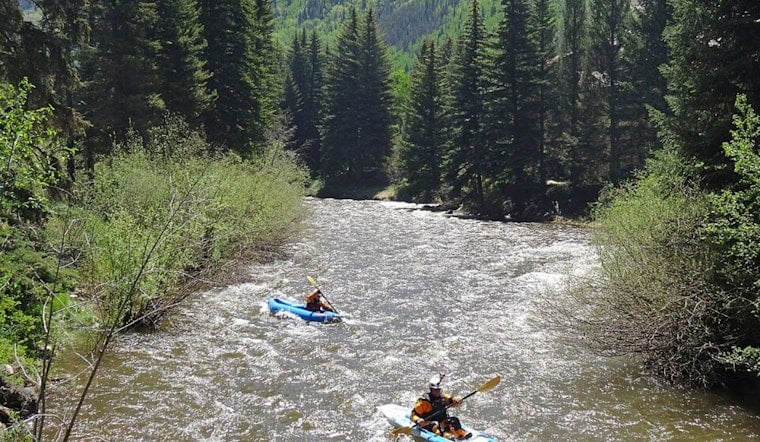
Vail is gearing up for a much browner summer. The town plans to cut its outdoor water use by about half as an unusually dry winter and record-low snowpack threaten already stressed flows in Gore Creek and the Eagle River. Town staff have rolled out an aggressive plan that dials back irrigation on non-functional turf, scales down flower displays and trims some public water features, all in the name of keeping more water in local streams and wetlands while still tending to high-priority public spaces.
According to Vail Daily, the Eagle River Water and Sanitation District asked the town to reduce outdoor water use by roughly one-third. Town Landscape Architect Gregg Barrie told council he expects to overshoot that cut. “First, non-functional areas get turned off, then we will move to some of our pocket parks,” he said, outlining how staff will sequence the reductions. Council signed off on the measures on June 2, with officials framing the move as a way to keep as much water as possible in local creeks and wetlands as the drought deepens.
What the town will cut
On town-owned property, crews will focus their limited water on top priorities like trees, the Ford Amphitheater lawn and the Betty Ford Alpine Gardens. Non-functional turf will go dry, and irrigation schedules in pocket parks will be shortened. The town’s online plan says it intends to do better than the Eagle River district’s two-day-per-week watering cap, with drip irrigation for trees, shrubs and perennials pared back to one or two days per week depending on weather and district guidance.
Staff will also cut back in less glamorous corners of town operations. Washing of buses, fleet vehicles and fire and police vehicles will happen only when necessary, and signs will go up at sites where water is being conserved so people know the brown spots are intentional. As outlined by Town of Vail, the strategy is designed to protect riparian and wetland habitat while making sure there is enough water for basic household use.
Flowers, hanging baskets and splash pads
The town’s usually lush flower program is taking one of the biggest hits. In a typical summer it uses about 18,000 gallons of water per week. This year officials say that will drop to under 3,000 gallons weekly, with only about 15 percent of the usual beds planted in pedestrian areas.
Vail Daily reported that the 38 hanging baskets in Lionshead alone require around 300 gallons per week and that the remaining floral displays across town are projected to use about 2,870 gallons per week. Some of the town’s playful water features will feel the pinch too. The Children’s Fountain will be shut off because draining it midweek would leave a stagnant pool. At Sunbird Park, the splash pad, which loses roughly 100 to 150 gallons a day when it runs full time, could be limited to Friday through Sunday afternoons to save water. Pocket parks and some off-leash areas will also see irrigation dialed back or shut off as conditions demand.
Why the cuts are happening
Statewide, snowpack this year has been historically low, which means a lot less water feeding the spring and summer runoff that local supplies depend on. The Natural Resources Conservation Service’s April 1 water supply outlook found that Colorado’s April 1 snow-water equivalent dropped to near-record lows, and the agency warned that April-to-July runoff volumes are forecast well below the median for most river basins.
Those grim projections pushed the Eagle River Water and Sanitation District to declare a water shortage and move into Stage III restrictions that target outdoor use and penalize heavy users. Town officials say aligning Vail’s public-land cutbacks with the district’s rules is meant to preserve streamflows, protect wildlife habitat along Gore Creek and the Eagle River and keep essential recreation assets, like parks and key lawns, usable.
What residents and visitors should expect
Under the district’s Stage III rules, outdoor watering is limited to two assigned days per week, and surcharges or fines apply to the highest-use customers. The town will apply its own reductions on public properties to match that overall framework.
Customers are encouraged to use the district’s MyWater portal to track their own use and to report apparent waste or overwatering through the district’s community observation form. Officials say they will also lean on guest education so visitors understand why some lawns look crispy and why the flower beds and fountains are not as showy as usual this summer.
For the town’s full reduction plan and the district’s detailed guidance, see the Town of Vail notice and the ERWSD materials.





.JPG)