

























































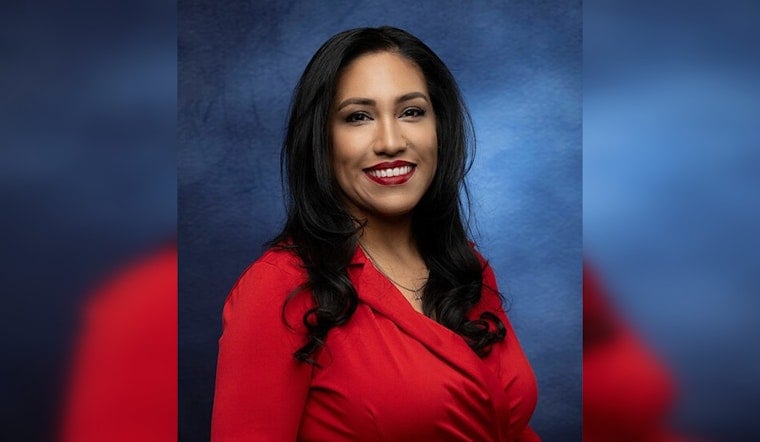
State Sen. Suzette Martinez Valladares has cleared a key hurdle in her effort to find out where California’s Proposition 47 money has really gone. On Thursday, she announced that the Joint Legislative Audit Committee signed off on her request for a state audit into how the Board of State and Community Corrections has handled Prop. 47 grant dollars. The California State Auditor is now set to trace what Valladares calls “hundreds of millions” in savings to see whether those grants have actually reduced recidivism and improved public safety.
In a press release from Sen. Valladares' office, the senator cast the audit as a long-overdue accountability check after roughly a decade of spending that has leaned heavily on grantees’ self-reported outcomes. According to the release, the State Auditor will conduct a comprehensive review of Proposition 47 grants administered by the BSCC to determine whether taxpayers have seen clear, measurable results for their money.
How Prop. 47 money flows
Proposition 47, approved by voters in November 2014, reclassified certain nonviolent offenses and steered the resulting state savings into the Safe Neighborhoods and Schools Fund. Roughly 65 percent of those savings are directed to the BSCC, which distributes the funds through competitive grants to local programs.
A 2024 report by the California State Auditor examining Prop. 47’s effects in Riverside and San Bernardino counties found mixed evidence about how well the programs work and flagged ongoing problems in producing consistent outcome data across the state.
What the audit will examine
Valladares’ requested audit will dig into recidivism outcomes, how the grants are administered, and what kind of oversight the BSCC actually provides. That includes looking at whether the agency enforces “pass-through” requirements to community providers, how effective the programs appear to be, and what it could mean for the state budget if savings continue to be routed through the BSCC in the same way.
“Taxpayers deserve to know exactly where this money has gone and whether it’s done a single thing to make California safer,” Valladares said in the release.
Existing oversight and lingering gaps
On paper, the BSCC already builds auditing and reporting requirements into its Proposition 47 process. The Proposition 47 Board of State and Community Corrections documents require grantees to submit program-specific audits and final evaluations.
In practice, though, those materials vary widely by funding cohort, and many of the headline performance numbers come from the grantees’ own self-reports. Critics and some lawmakers argue that the patchwork of local reports has never added up to a single, reliable statewide dataset that can clearly show whether the Prop. 47 money is actually cutting reoffending.
Past audits and the political backdrop
The State Auditor’s earlier work helps explain why Valladares pressed for a broader, statewide review. Local-level audits have shown mixed results and repeated data gaps, which make it difficult to judge the true impact of the programs funded with Prop. 47 savings.
Voters approved Proposition 36 in November 2024, restoring felony penalties for certain repeat theft and drug offenses. That policy shift could shrink the annual savings that currently feed Prop. 47 grants, creating new complications for future budget decisions on the very programs now being scrutinized.
What’s next
The California State Auditor’s office will set the audit timeline and begin requesting records from the BSCC and its grant recipients. How fast the review unfolds will depend on the office’s work plan and staff capacity.
If the audit uncovers weak oversight or inconsistent results, Valladares has signaled she will push for legislative changes aimed at tightening reporting, enforcement, and the way funds move from Sacramento to front-line service providers.
Legal and budget implications
Any major findings could spur lawmakers to require stronger third-party evaluations, tougher pass-through rules, or even a reallocation of savings away from current BSCC formulas. Changes like that would have immediate budget consequences for local programs that now rely on Proposition 47 funding and could reshape how California tracks outcomes for reentry, treatment, and diversion services.




.jpg)