

























































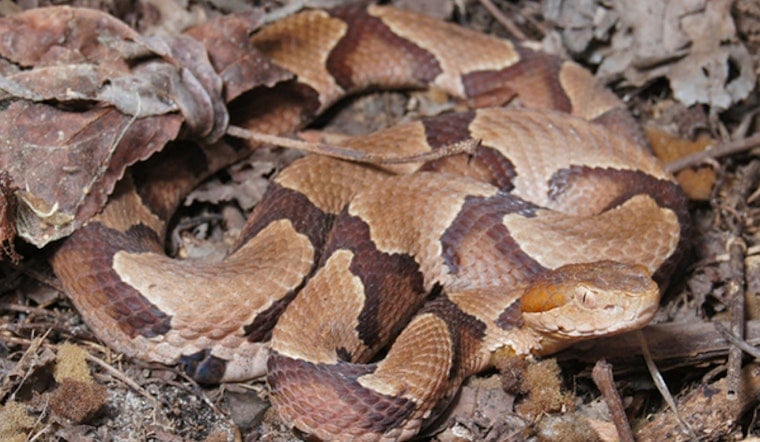
Germany's national team got a crash course in Carolina wildlife this week when a copperhead popped up near their Winston-Salem base camp, briefly halting part of a training session and sending staff to rope off brushy areas. The slithery interruption was a blunt reminder that "snake season" is very real in North Carolina, especially along field edges, trails and piles of leaf litter, and that local wildlife can nudge even the most meticulously planned elite training routines off script. No players were hurt, but the encounter has teams literally watching their step between drills.
Captain's warning after sighting
Germany captain Joshua Kimmich told reporters that players had spotted a snake and were informed it was venomous, issuing a straightforward warning: "If you get bitten, you have to go to the hospital. I don't think you'll die, but it's certainly dangerous." That exchange has made the rounds in U.S. coverage and has the camp taking extra precautions around wooded edges and even their packing lists, as reported by Athlon Sports.
Why copperheads are common here
North Carolina is home to several venomous snake species, and copperheads are the ones people run into most often. They favor leaf litter, rock piles and other low-to-the-ground hiding spots that make them easy to miss until you are right on top of them. The North Carolina Wildlife Resources Commission notes that adult copperheads typically measure about 2 to 3 feet long and carry distinctive hourglass-shaped bands that let them blend almost perfectly into the forest floor. The state is also hosting multiple World Cup base camps, with Germany in Winston-Salem, Norway in Greensboro and Scotland in Charlotte, according to the North Carolina governor's office, so teams and fans moving between hotels, practice fields and restaurants could easily cross paths with local wildlife.
Serious cases can happen quickly
WakeMed emergency physician Dr. Benjamin German told the Charlotte Observer about a 2026 copperhead bite that started with a bad assumption. A person tried to handle what they believed was a harmless snake and, "within five minutes he collapsed," German said, describing severe low blood pressure and signs of shock before the patient recovered. His account underscores that misidentifying a snake and attempting to handle it can sharply increase the danger and that some bites demand rapid, aggressive medical care. Copperhead bites are rarely fatal, but patients can still require close monitoring, pain control and, in certain cases, antivenom.
How visitors and teams should respond
Public health advice for visitors and teams in snake country is not complicated: do not touch or try to catch snakes, keep practice and walking areas clear of brush, and wear sturdy footwear in tall grass or leaf litter. If someone is bitten, call 911 and the North Carolina Poison Control Center, and get to an emergency department. The Poison Center provides identification and treatment guidance in a printable poster for both clinicians and the public. For identification tips and safety advice, visitors can look to resources from the North Carolina Wildlife Resources Commission and the North Carolina Poison Control Center.





