

























































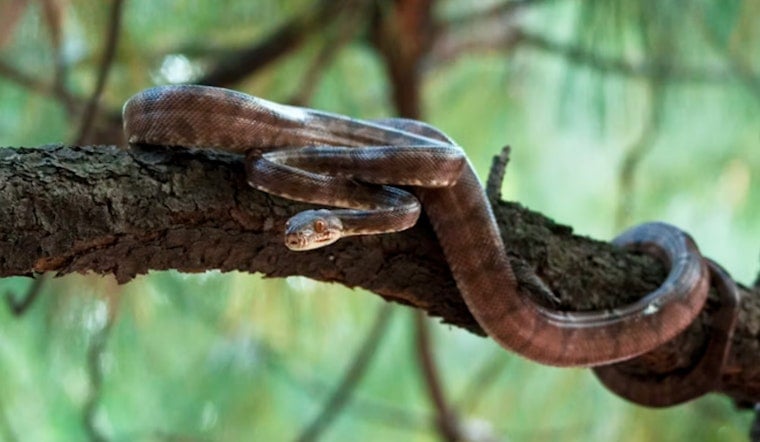
Copperhead snakes are clocking in early around the Washington, D.C. region this year, unnerving homeowners who are spotting them in gardens and yards weeks ahead of schedule. Snake-rescue groups report a jump in calls, with K2C Snake Consultants already pulling roughly 20 copperheads out of Prince William County this spring, a workload they usually do not see until July or August. Experts say a roller-coaster spring, swinging between warm and cool, wet and dry, is likely pushing snakes to roam into residential areas sooner than usual.
As reported by WTOP, co-owner of the nonprofit K2C Snake Consultants Bill Crisp said, “We stepped it up just in the last couple days,” noting that his team typically captures and relocates 40 to 50 copperheads over the course of a normal summer. He told WTOP that most calls involve snakes discovered right where people walk and relax, such as front steps, back stoops, landscaped beds and woodpiles.
Why They're Out Early
Climate analysts say that earlier and more erratic warmth can scramble the usual seasonal cues that guide animal behavior. Climate Central reported that April 2026 ranked among the warmest on record in many locations, a pattern that can shift the timing of spring activity for reptiles and other wildlife and bring them into view before many residents expect to see them.
Where You're Most Likely To See One
The northern copperhead is a secretive pit viper that leans heavily on camouflage, blending into fallen leaves and forest floor debris to ambush prey, according to the Smithsonian's National Zoo. The National Zoo and other experts note that copperheads commonly shelter in rock piles, woodpiles and thick landscaping, exactly the kind of cover that can be plentiful around suburban homes.
Fairfax County's News Center points out that the eastern copperhead is the only venomous snake commonly found in the county and advises residents who are unsure what they are seeing to contact the Virginia Wildlife Conflict Helpline for help with identification.
What To Do If You're Bitten
If someone is bitten, first aid is straightforward but time sensitive: keep the person calm and as still as possible, remove tight clothing or jewelry near the bite, gently wash the wound and get to an emergency department quickly. Bill Crisp cautioned against using tourniquets, cutting the bite or trying to suck out venom, and suggested taking a photograph of the snake rather than attempting to catch or kill it, according to WTOP.
Medical guidance notes that antivenom is available and is often given early when clinicians decide it is needed. Kaiser Permanente recommends calling Poison Control or 911 right away for instructions and heading for medical care rather than trying home remedies.
How To Make Your Yard Less Attractive
Homeowners can make their property less appealing to copperheads by cutting down on hiding spots and food sources. That means clearing away rock and wood piles, keeping grass and groundcover trimmed, sealing gaps under porches and steps and avoiding stacked debris against the house. The Virginia Department of Wildlife Resources notes that staff do not remove snakes from private property and recommends calling licensed nuisance wildlife operators or certified rescues for safe removals.
If you do spot a copperhead on your property, the guidance is simple: leave it alone and back away, then contact a trained rescuer or your local wildlife hotline instead of trying to handle the snake yourself. K2C Snake Consultants, which covers Prince William County and neighboring areas, offers removals along with educational programs for homeowners who want to learn how to coexist more safely with the local wildlife slithering just beyond the front steps.





