

























































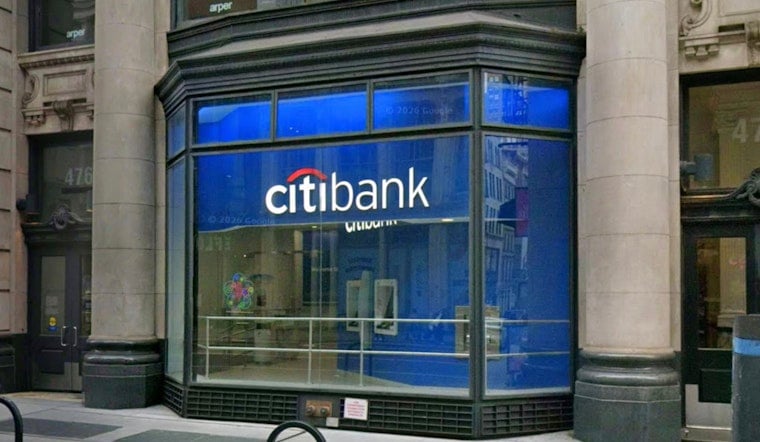
Citigroup’s research team is stubbornly holding onto a contrarian forecast that the Federal Reserve will cut interest rates three times this year, even after a hotter-than-expected U.S. jobs report threw cold water on that idea for much of Wall Street. For now, the New York banking giant is out on an island as traders and many economists shift toward a tighter, “higher for longer” path for Fed policy.
As reported by Bloomberg, Citigroup’s team, led by Chief U.S. economist Andrew Hollenhorst, reiterated on Friday that they still expect three quarter-point cuts this year. Their argument is that a softening labor market heading into the summer will eventually pull markets back toward pricing in easing. That stance leaves Citi as one of the last major firms still openly calling for multiple cuts, and investors will be watching to see whether incoming data closes the gap between Citi and the rest of the Street.
The main obstacle right now is the fresh jobs data. The U.S. added 172,000 nonfarm payroll jobs in May, while the unemployment rate held at 4.3%, according to the Bureau of Labor Statistics. The report topped economists’ expectations and included upward revisions to March and April, making it a tougher backdrop for rate-cut hopefuls.
Hollenhorst and his colleagues wrote that the May employment report is likely to keep Fed officials “hawkishly focused” on upside inflation risks rather than downside employment risks, a reading that Bloomberg notes helps explain Citi’s willingness to wait for more obvious labor-market cooling before expecting policy easing. Citi’s researchers also emphasized that they still see the labor market easing over the next few months, which is their key trigger for rate-cut expectations.
Markets Repriced After The Jobs Beat
Traders wasted no time reacting to Friday’s report. Short-term interest-rate futures and Treasury yields jumped, trimming the odds of early Fed cuts and boosting the perceived chance of tighter policy later in the year, according to Reuters coverage republished by Yahoo Finance. A separate Reuters poll republished by Investing.com had already shown many economists nudging their expectations for rate cuts further out into late 2026.
Why This Matters For New Yorkers
Citi’s outlier call is not just an abstract Wall Street argument. The bank’s research and trading desks, based in New York, help guide major corporate borrowers and mortgage clients on everything from refinancing to new debt deals. If the Fed keeps rates high and delays any pivot, borrowing costs stay elevated, squeezing everything from homebuyers trying to lock in a mortgage to companies rolling over their loans.
For Manhattan and the broader New York area, that means the path for housing, refinancing, and deal activity is tied tightly to each new jobs and inflation report, not just to any single bank’s house view. For now, Citi is keeping the rate-cut debate alive, standing against the “higher for longer” camp. The next round of data and the Fed’s mid-June policy meeting will offer the latest test of whether Citi’s lonely forecast starts to look prescient or simply out of step.



