

























































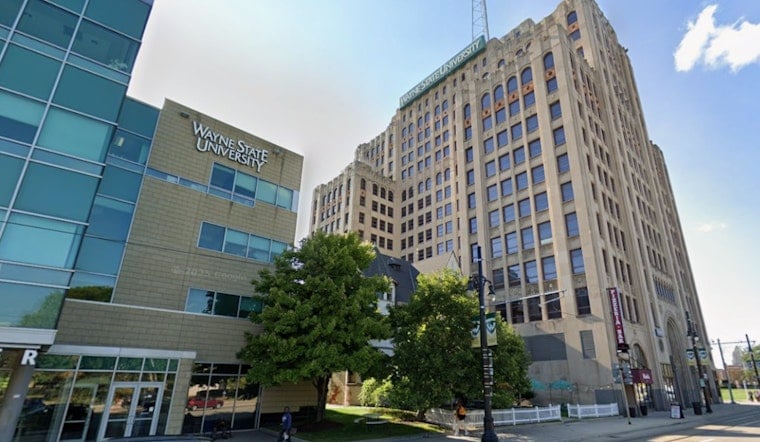
Wayne State University's Board of Governors signed off Thursday on a 4% jump in tuition and fees for the 2026-27 academic year, tying the increase to a roughly $1.1 billion operating budget that leaders say is meant to keep the campus on track. Trustees also pulled back the curtain on a planned $1 billion capital campaign and a future School of Public Health, moves they argue will grow Wayne State's footprint in Detroit and in health training across Michigan as public universities wrestle with tight state support and rising costs.
According to The Detroit News, the 4% increase will hit almost every student, with one notable exception. The School of Medicine M.D. program is exempt after seeing larger adjustments last year. Trustees paired the vote with an update to the university's strategic plan and a decision to start publicly raising money for the $1 billion campaign, which officials expect to launch in spring 2027. Administrators told the paper the proposed School of Public Health is slated to include a doctoral program, but they still need to hire a dean and recruit faculty before they can even seek accreditation.
New president at the helm of fundraising push
Wayne State promoted Richard Bierschbach to the presidency earlier this year, and trustees have made it clear that the new administration will be front and center once the campaign goes public. Bridge Michigan has detailed Bierschbach's appointment and compensation package, context that now hangs over conversations about how to court major donors and set long-term priorities. University leaders say the fundraising drive will channel money into scholarships, research and programs that serve surrounding communities.
Budget pressure, aid boosts and state dollars
The newly approved budget sits at about $1.1 billion in total, with a general fund near $757 million and projected state appropriations of roughly $227 million next year, according to The Detroit News. The spending plan adds another $2.5 million for financial aid, and local coverage notes that colleges and departments were cut by around $10 million to help balance the FY2026 books. University officials stressed that state funding still accounts for only about one fifth of overall revenue, and they cautioned that the real tuition hit for students could shrink if lawmakers in Lansing finalize a budget that caps tuition hikes across public campuses.
What students may feel next
Student and faculty groups have already warned that another rate hike will strain many family budgets and could push price-conscious students to rethink where they enroll. Administrators counter that the additional aid and future campaign dollars are meant to soften the blow for low-income students, although advocates say the current numbers do not fully solve the affordability puzzle. Trustees framed the capital campaign and the refreshed strategic plan as tools to direct money into the areas they believe will deliver the greatest public benefit.
The higher tuition kicks in for the 2026-27 academic year, and university leaders will spend the next year ramping up donor outreach as they move toward the public phase of the $1 billion campaign. With the School of Public Health still on a multiyear runway, the real test for students and the city will be whether this fundraising wave ultimately translates into noticeable relief on college costs and visible upgrades in campus programs.



