

























































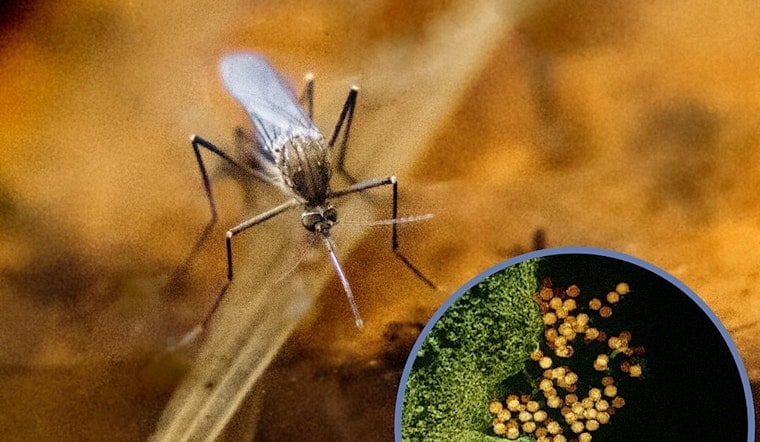
A mosquito sample from Carrollton’s mosquito management area 6B has tested positive for West Nile virus, and the city is rolling out nighttime, ground-based spraying in the surrounding neighborhoods. Crews are slated to hit the streets overnight today, and tomorrow, starting around 9 p.m., weather permitting. Residents in and near the spray zone are being urged to stick to tried-and-true mosquito bite precautions.
Where, when and what officials say
According to the city, the positive sample came out of mosquito management area 6B, roughly the area bordered by Belt Line Road, Josey Lane, Keller Springs Road and Carrollton’s eastern city limits. The targeted spraying schedule and basic details were laid out in a social media post from the City of Carrollton.
A positive mosquito sample for West Nile Virus (WNV) has been reported this week in area 6B between Belt Line Road, Josey Lane, Keller Springs Road, and eastern City limits.
— City of Carrollton (@CarrolltonTX) June 29, 2026
The City will conduct ground-based spraying in those areas, weather permitting, on Tuesday, June 30 and… pic.twitter.com/lNnoggJxES
Crews are expected to begin ground-based spraying at about 9 p.m. each night and will pause operations if wind, rain or other conditions make treatment unsafe. In the same post, officials reminded residents of the city’s “4Ds” guidance, short and sweet: use DEET, Dress in long sleeves and pants, Drain standing water and avoid being outside at Dusk and Dawn when mosquitoes are most active.
How to protect yourself
Public health guidance keeps coming back to personal protection. Residents are encouraged to wear long, loose, light-colored clothing at dawn and dusk, dump or treat any standing water around homes and yards and use EPA-registered insect repellents.
The Centers for Disease Control and Prevention recommends repellents that contain DEET, picaridin, IR3535 or oil of lemon eucalyptus for longer-lasting protection, and stresses following label directions, especially when using these products on children.
Anyone who develops symptoms such as fever, severe headache or a stiff neck after a mosquito bite should contact a healthcare provider. Most West Nile infections are mild, but a small number can become serious, which is why officials get jumpy the moment a trap turns up positive.
Why officials are acting now
Local mosquito surveillance programs run weekly tests on traps and move to targeted spraying whenever a sample comes back positive, a routine response outlined by Dallas County Health and Human Services. The county publishes arbovirus surveillance reports and maps that cities like Carrollton use to decide where and when to treat.
For more recent local context on similar moves, city watchers can look at this report on a Carrollton spraying response.
For maps of management areas, full spray schedules and contact information, the city has linked its West Nile resources in the social post and on its website. Residents with questions about the spraying program or who want to opt out are advised to check the city’s notice or contact Animal Services for specific guidance.





