

























































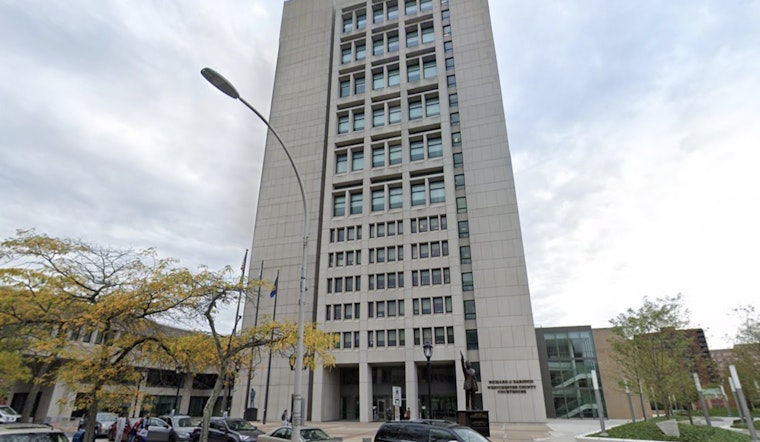
Civil rights groups are asking a state judge to hit pause on Westchester County’s massive license plate reader network, arguing the system has quietly turned into a “warrantless, indiscriminate” surveillance dragnet. Their complaint says county cameras have logged roughly 1.6 billion plate scans and can be mined to reconstruct drivers’ long term travel patterns and daily routines. While plaintiffs say the system tracks ordinary people across highways and neighborhood streets, county officials say they have not yet received or reviewed the filing.
What the lawsuit says
The suit, filed by the Policing Project at NYU School of Law along with the NYCLU, the Knight First Amendment Institute at Columbia University and Freshfields on behalf of four motorists, targets a network of roughly 575 cameras that feed a centralized database. That database holds about 1.6 billion vehicle reads that are kept for at least two years, as the Policing Project explains. The groups say officers can use AI powered tools to comb through that trove and piece together where people live, work, worship and seek medical care. The complaint asks the court to declare the system unlawful and to bar Westchester County from operating it.
How often cars are cataloged
The complaint highlights how often ordinary drivers are swept up. One plaintiff’s car was scanned more than 2,400 times and another vehicle was recorded 1,134 times between 2023 and 2026, figures the Associated Press summarized. Plaintiffs say that kind of volume shows the program is documenting daily life, not just chasing criminal suspects, and that the constant scanning effectively turns public roads into a continuous tracking system.
Who else can query the system
According to the complaint and allied civil liberties groups, Westchester has shared access to its database with more than 50 outside agencies. That network, which the suit says includes federal partners and neighboring police departments, extends the system’s reach well beyond county borders, as detailed by the NYCLU. Plaintiffs argue that this kind of cross agency access makes it easy for outsiders to run searches of drivers’ movements without individualized suspicion, and they question where cameras are clustered and whether heavily policed neighborhoods are bearing the brunt of the monitoring.
Federal access and vendor controversy
The fight in Westchester is unfolding against a broader backdrop of concern about federal queries and vendor run plate reader networks. In August 2025, the vendor Flock Safety paused pilot programs with Department of Homeland Security agencies amid scrutiny of federal access to automated license plate reader data, a move reported by the Associated Press. That episode, along with a series of audits, pushed several cities to re examine their contracts, data retention rules and logging practices. Civil liberties advocates say the Westchester case will test whether local safeguards can actually contain a system once private vendors and outside agencies are plugged in.
Legal stakes
Court decisions have typically treated license plate readers as tools that collect what anyone could see on public streets. The plaintiffs, though, argue that the sheer scale, centralization and AI assisted search power of Westchester’s setup change the legal equation. National outlets and legal observers have cast the case as part of a broader push to get judges to revisit privacy doctrines that were built for an analogue era, as reported by The Washington Post. A ruling that recognizes heightened privacy interests in aggregated travel records could shorten retention periods, require warrants for certain searches or limit sharing with federal partners.
What happens next
The plaintiffs are asking a state court to declare the program unlawful and to block Westchester from running it while the case plays out, and they are seeking class action status for everyone whose movements were recorded. The case, Umemoto v. Westchester, is being handled by the Policing Project, the Knight First Amendment Institute, the NYCLU and Freshfields, according to the Policing Project. A county spokesperson said officials had not yet received or reviewed the filing, NBC New York reported, and if the court grants an injunction the cameras could be shut off or their access rules sharply tightened.
Why it matters locally
Westchester covers roughly 430 square miles just north of New York City and is threaded with major commuter routes such as Interstate 87, Interstate 95 and the Hutchinson River Parkway. Plaintiffs say that geography turns a county level camera grid into a regional tracking tool, according to The Washington Post. The outcome could ripple across suburbs and municipalities now weighing whether to grow, rein in or scrap similar plate reader networks, and for everyday drivers it puts a blunt question on the table about whether routine trips should be recorded and stored indefinitely.





