

























































When a crash in St. Cloud turns deadly, the priority is no longer getting traffic moving again. Officers lock down the roadway and start an hours-long, methodical investigation so that every skid mark, broken headlight, and witness account is ready to stand up in court and to help families understand what happened.
Riding Along With Trooper Steve
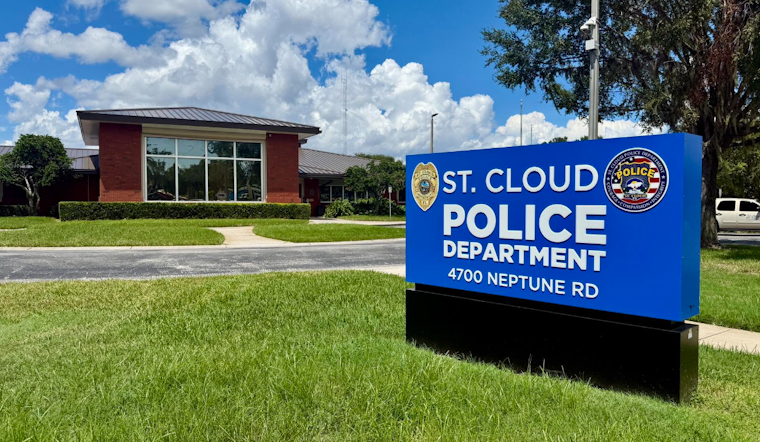
On June 10, 2026, Trooper Steve Montiero joined members of the St. Cloud Police Department to document a fatal crash response. During the ride-along, Cpl. Matthew Redditt, the department's traffic homicide investigator, walked through how officers secure the perimeter, keep bystanders back, and begin logging evidence, as reported by ClickOrlando.
How Investigators Process A Scene
Investigators approach a fatal crash like a crime scene. They photograph vehicle damage, measure where vehicles and debris ended up, mark skid marks, and collect any physical evidence that might later go to a lab. According to the Florida Highway Patrol's policy manual, a Traffic Homicide Investigator must complete an approved field-note packet and, under ideal conditions, have two trained members assigned to process a fatality scene. The same guidance calls on investigators to preserve evidence, locate and interview witnesses and coordinate with prosecutors and medical examiners during follow-up work, as outlined by the Florida Highway Patrol.
Why Roads Stay Closed For Hours
All of that work takes time. Vehicles have to be moved without disturbing crucial marks on the pavement, and measurements need to be precise. Investigators may have to wait for tow trucks, extra lighting, or specialized equipment to arrive. The News 6 segment notes that teams often review surveillance video, talk to multiple witnesses, and begin reconstructing the sequence of events, as reported by ClickOrlando. Those long closures are an intentional trade-off so that fatal scenes are documented correctly for both criminal and civil cases.
What Families Can Expect
Next-of-kin notifications are handled in person after investigators have secured and documented the scene. Vehicles that might be evidence can be held while forensic testing is completed. The Florida Highway Patrol manual also directs investigators to notify medical examiners and prosecutors promptly and to keep working leads until they are exhausted, per the agency guidance.
Legal Stakes For Drivers
Florida law treats fleeing a crash scene as a serious crime. A driver who leaves the scene of a collision that causes death can face a first-degree felony, mandatory minimum prison terms, and license revocation. Crashes that cause serious injury can bring second-degree felony charges. Courts can also order restitution, victim-impact measures, and driver-improvement requirements, according to the Florida Statutes.
Montiero's ride-along with St. Cloud officers underscores that the long, tedious work at a fatal crash scene is about protecting prosecutions and giving families a clearer account of what happened. For drivers who end up in the backup, the takeaway is simple: expect delays, follow investigators' directions, and remember that the slowdown is there to preserve evidence and answers.



