

























































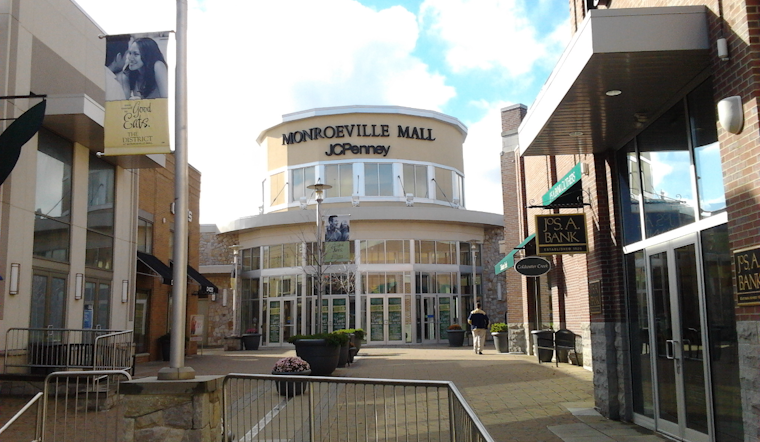
From June 12 to 14, thousands of horror fans flooded the echoing corridors of the Monroeville Mall for Living Dead Weekend, turning a mostly quiet suburban shopping center into a makeshift shrine to George A. Romero's Dawn of the Dead. Costumed attendees, reunion panels and guided location tours spilled into empty storefronts and Romero Court. For a lot of visitors, it felt less like a routine convention and more like a possible farewell visit to the place where the movie was shot, with the mall's future hanging over nearly every conversation.
Pittsburgh newsroom PublicSource documented the mix of cosplay, vendor halls and guided location tours, noting fans lined up for photos with the bronze bust of Romero and cycled through panels and signings spread across three halls. Vendors and photographers worked in front of boarded-up storefronts while attendees retraced key filming spots through guided walks and small-group re-enactments. The reporting highlighted how the hollowed-out retail corridors were temporarily repurposed by fan-run programming, and how the Living Dead Museum in particular kept a steady flow of visitors all weekend.
A Cultural Pilgrimage On The Clock
According to The New York Times, the mall, which opened in 1969, was sold in early 2025. The property is now controlled by Walmart and a development partner and is slated for a multi-use redevelopment that could include full demolition of the existing structure. The Times estimated that roughly 3,000 people attended the June event and that more than 60 cast and crew members turned up for reunion panels and meet-and-greets.
The paper also reported that some tenants have been told they must vacate by April 2027, even as fans are still paying to walk the same hallways immortalized on screen. Add-ons such as paid mall tours and autograph lines carried extra fees, and organizers were even selling small pieces of the building itself as keepsakes for about $75 apiece. Makeup-effects legend Tom Savini told the Times there were petitions to save the mall but that they won't do a bit of good, while one vendor estimated he was netting around $1,000 a day in autograph sales.
What Fans Paid And Took Home
Event listings showed that a three-day pass to Living Dead Weekend cost about $50, with VIP upgrades, photo ops, and separate tour tickets available, according to Allevents.in. The schedule paired guided film-location tours and ticketed screenings with autograph sessions and vendor halls, so many fans built their weekend by stacking paid extras on top of basic admission.
Across the mall, vendors sold prints, posters and museum-style memorabilia that echoed the building's on-screen history. Attendees left with armfuls of merch, selfies from famous camera angles and, for some, literal fragments of the mall that had doubled as Romero's zombie playground.
Redevelopment Timeline And Local Stakes
The sale set off a redevelopment process that has left tenants and small business owners uneasy about leases and long-term prospects, according to the Pittsburgh Post-Gazette, which cited local reporting and municipal records. The mall's new owners have also sought state redevelopment funding to clear the site, a step detailed by Axios. Any demolition or major reconfiguration will still need approvals from the Monroeville planning commission and council.
That drawn-out but very real timeline, combined with the 2027 vacate date facing some tenants, added a sense of urgency to June's reunion. Fans were celebrating a movie landmark while quietly tracking zoning meetings and lease deadlines, aware that the setting for their beloved zombie epic could be radically remade within a few years.
Organizers have already posted an October 2026 date for another Monroeville reunion on the official site, offering a second scheduled chance for fans who missed June to meet cast and crew and tour the museum, according to The Living Dead Weekend. For many who walked the aging concourses, the weekend underlined how a somewhat shabby suburban mall helped turn Romero's film into an international pilgrimage site, and how quickly the real-world locations that shape pop culture can be reshaped in return.



