

























































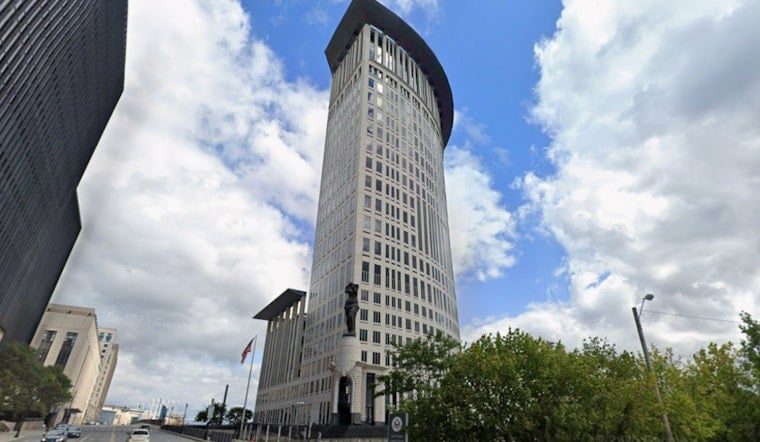
A federal magistrate judge in Ohio has put the brakes on a high-tech phone sweep in Akron, refusing to let investigators fire up a "fake cell tower" tool that could have quietly scooped up data from thousands of residents’ phones.
U.S. Magistrate Judge Carmen E. Henderson denied a sealed application on June 22 that would have authorized use of a canvassing cell-site simulator, a device that impersonates cell towers so it can identify nearby phones. Investigators wanted to run it across multiple public spots in the city. Her decision sets up a fresh legal test over how far courts will let law enforcement go with wide-area cellphone surveillance.
According to the Akron Beacon Journal, investigators sought a warrant on June 15 to operate the canvassing cell-site simulator for up to 30 days at five locations, including the investigation target’s home plus busy public areas near a university and a hospital. The warrant application remains sealed, and the Beacon Journal reports that federal prosecutors declined to comment.
Judge's ruling
The opinion, in Case No. 4:26 MJ 6151, faulted the government for failing to spell out the cell-site simulator’s coverage area, how many subscribers might be affected, or how much GPS and other location data would be captured. Without those details, Henderson found, the warrant did not satisfy the Fourth Amendment’s particularity requirement. The memorandum is publicly available on CaseMine.
What the tech does and the legal backdrop
Canvassing cell-site simulators, sometimes called IMSI catchers or “Stingrays,” mimic legitimate cell towers so nearby phones briefly connect and broadcast unique device identifiers such as IMSI or ESN. That signaling data can then be used to help identify subscribers or infer where a phone is located, often with striking precision.
Department of Justice policy instructs federal agencies to obtain judicial authorization and follow handling safeguards when they use these devices. A federal court in the Northern District of Illinois rejected a similarly broad canvassing request in 2023, signaling discomfort with large-area phone sweeps. For background, see the policy released by the Department of Justice and the opinion posted on FindLaw.
Local impact and privacy concerns
Because the underlying warrant is sealed, it is still not publicly known which federal agency sought the sweep or what crime investigators were looking into, a gap in information that the Beacon Journal notes makes public oversight difficult.
Civil liberties advocates have long warned that these broad cell-site simulator deployments can quietly vacuum up data from bystanders who have nothing to do with an investigation. The Electronic Frontier Foundation has criticized IMSI catchers as tools that collect identifying information indiscriminately and has pushed for more transparency and tighter limits on their use.
Judge Henderson’s ruling blocks the government’s canvassing-style request and is likely to be cited by other courts wrestling with geofence and wide-area digital warrants as judges work out how to apply the Fourth Amendment’s particularity requirement to modern cellphone surveillance. The decision does not bar more targeted, device-specific tracking when there is probable cause and tight geographic limits, but it clearly shows judicial skepticism toward month-long, city-scale dragnets.





