

























































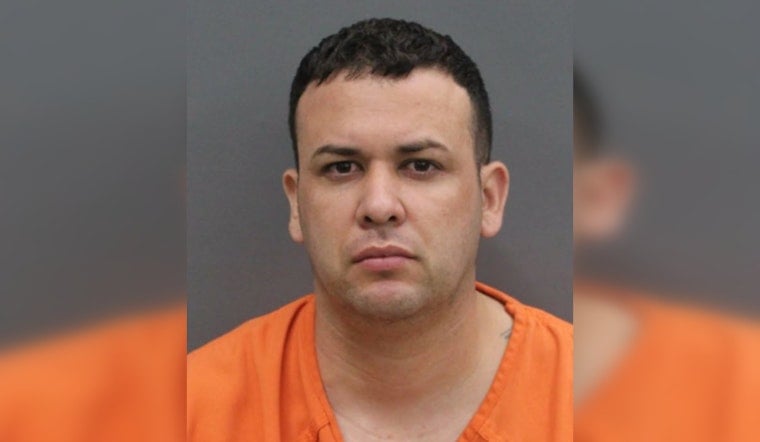
Detectives in Hillsborough and Manatee counties say they shut down a slick credit-card fraud ring this week, hauling in an Apollo Beach man and what looks like a full-blown card factory hidden in a neighborhood home. Inside, investigators report finding 154 counterfeit credit cards, dozens of skimming devices, multiple pieces of card-making equipment and a Ford F-250 they say was used to run the operation. The case kicked off in June when a bogus fuel purchase was traced back to a skimmer planted at a Wawa on East Hillsborough Avenue, and deputies followed the trail to a Flamingo Avenue address in Apollo Beach where they served a warrant on Wednesday. According to authorities, the bust likely stopped millions of dollars in additional fraudulent charges from hitting accounts across the Tampa Bay area.
Search Warrant Found Card-Making Gear In Apollo Beach
According to a press release from the Hillsborough County Sheriff's Office, detectives executed a search warrant on July 8 at a Flamingo Avenue residence and uncovered what they describe as a counterfeit-card manufacturing and distribution setup. Investigators say they seized ledgers tracking the scheme, numerous electronic devices used to store and produce card data, along with both skimming devices and specialized card-making equipment. The release notes that the suspect tried to get rid of evidence by flushing a stack of counterfeit cards down a toilet, but detectives recovered the cards along with additional devices despite the last-minute cleanup attempt.
Suspect Arrested And Charged
Detectives arrested 32-year-old Juan Miguel Acosta Ramos and charged him with trafficking in 50 or more counterfeit credit cards, possession of credit-card-making equipment, possession of a skimming device and tampering with physical evidence, according to the sheriff's office. "Detectives uncovered a sophisticated criminal operation designed to steal from hardworking people and businesses on a large scale," Sheriff Chad Chronister said in the release. HCSO also reported that a Ford F-250 allegedly used to facilitate the operation was seized during the search. The agency says the investigation remains active, and its Public Affairs Office plans to share more information as it becomes available.
How Skimmers Work And Why This Matters
Skimming devices are small card readers or "overlays" placed on ATMs, fuel pumps or point-of-sale terminals that capture magnetic-stripe data, while miniature cameras or fake keypads can record PINs. Criminals can then clone cards or make unauthorized purchases with that stolen information. The FBI warns that skimmers and related shimming devices are often used to harvest data that can be encoded onto counterfeit cards or sold online, and advises consumers to favor chip-enabled transactions and look over terminals before using them. The FDIC similarly recommends checking for loose or altered card readers and keeping a close eye on bank and credit-card statements for suspicious activity.
Legal Stakes For The Accused
Under Florida Statutes, trafficking in 50 or more counterfeit credit cards is a first-degree felony, with penalties that scale down for smaller numbers of fake cards. Possession of card-making equipment and skimming devices are also separate criminal offenses under Chapter 817. The law lays out potential prison time and allows courts to order restitution to victims on top of any sentence. Prosecutors will now review the evidence seized in the search as the case moves into the court system.
HCSO's release includes Public Affairs contact information and non-emergency tip lines, including (813) 247-8200 and Crime Stoppers at (800) 873-8477. The agency says additional updates will be released through its Public Affairs Office as the investigation continues.




