

























































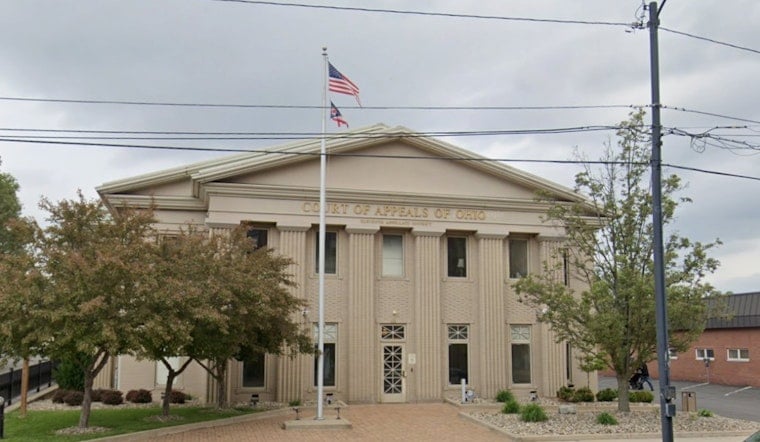
An appeals court has cleared the way for doctors to forcibly medicate an Ashtabula woman accused of killing her mother, ruling that she can be given antipsychotic drugs so the case can move toward trial.
On July 13, the Ohio Eleventh District Court of Appeals upheld a trial court order that allows involuntary medication to restore the defendant’s competency, according to the opinion in State v. Keenan (Case No. 2026-A-0005) published at Leagle. The case now heads back to the Ashtabula County trial court, where doctors will be permitted to pursue antipsychotic treatment if they determine that less-intrusive options really have been exhausted.
Doctors said medication was the most likely path to competency
At a January hearing, medical experts testified that the defendant repeatedly refused psychotropic medication while hospitalized and that clinicians believed such drugs were the best bet to get her competent enough to work with her lawyers and stand trial. After hospital staff reported that less-intrusive approaches had not worked, a local judge signed an order authorizing involuntary medication at Twin Valley Behavioral Healthcare, according to reporting by the Star Beacon as republished by Yahoo News.
Case background
The case stems from the Jan. 11, 2024, shooting of 60-year-old Kristyna Keenan, who was found dead in her driveway. Prosecutors later charged her daughter, Ashley Keenan, with offenses that include aggravated murder and felonious assault. Days after the killing, the defendant turned herself in to Canadian authorities and was extradited to Ohio, according to News 5 Cleveland, and local outlets have followed the competency proceedings and her detention at a state forensic facility.
Legal context and what comes next
In its analysis, the appeals court pointed to a change in Ohio law passed in February 2026 that lengthened the time prosecutors have to seek restoration of a defendant’s competency. The panel said that expanded timeline matters when courts weigh whether to permit forcible treatment in cases like this.
Defense attorney Edward Czopur has said he intends to ask the Ohio Supreme Court to review the ruling, according to Cleveland.com. Prosecutors, meanwhile, have argued that restoring competency is necessary to move the case toward an eventual jury trial.
If clinicians succeed in restoring competency with medication, the criminal case could finally proceed in open court. If they do not, the matter will likely keep raising hard questions about what long-term options Ohio has for defendants who remain incompetent, and how judges should apply the state’s newer, extended timeline for competency restoration in future cases.




