

























































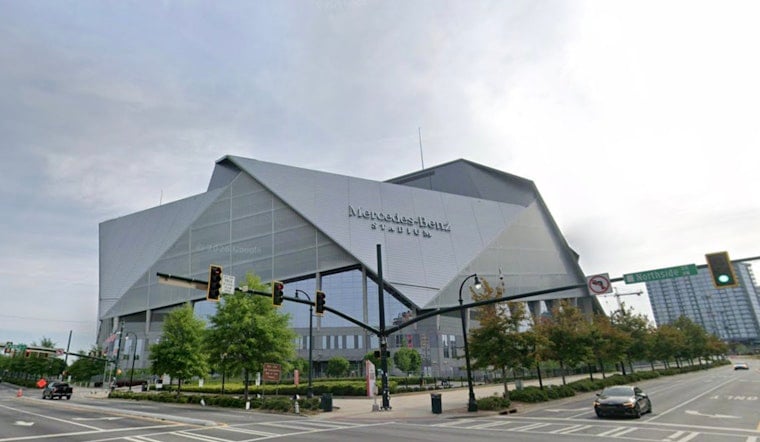
Atlanta has been quietly putting artificial intelligence to work on its streets, using fresh, street-level data to speed up repairs and sharpen traffic control before FIFA World Cup matches hit Mercedes-Benz Stadium. City crews have tapped new sensor feeds and a revamped command center to spot bad pavement, fix curb ramps and track crowd flows in real time.
According to FOX 5 Atlanta, the city partnered with contech firm Cyvl to deploy AI-powered sensors and stream that data into a centralized operations hub for rapid repairs and game-day decision making. A case study from Cyvl says the program captured roughly 1,420 miles of pavement and about 95 miles of sidewalks during a citywide survey in 2025, helping Atlanta prioritize resurfacing and ADA upgrades. The company also reports it worked with engineering firm HNTB to plug the scans directly into the city’s asset and work-order systems.
Integrated Command Center Goes Live
In mid May the city flipped the switch on a revamped Integrated Command Center that brings ATLDOT, GDOT and MARTA operations under one roof for big events and day-to-day traffic management. Arcadis, which helped assess and upgrade the control room, framed the ICC as a core readiness step for FIFA World Cup 2026. Local reporting has noted that police and transportation officials will lean on the command hub and regional traffic rooms during match days, and The Atlanta Journal-Constitution quoted a police deputy chief saying the city will rely on real-time camera feeds from the center to make quick traffic calls.
How The Sensors Helped
Cyvl’s sensor rigs combine LiDAR, 360-degree cameras and GPS with AI models that flag pavement distress, missing signs and curb-ramp issues so crews can target repairs instead of inspecting streets by hand. Construction Executive recently profiled the startup’s approach of mounting scanners on municipal vehicles to run continuous, citywide surveys. That stream of data flows directly into asset systems so work orders, budgets and signal-timing tweaks can move quickly without months of manual audits, and Cyvl says Atlanta used those insights to prioritize fixes ahead of the tournament.
Officials said during pre-game briefings that the upgrades are meant to blunt the match-day crush that can choke downtown streets and fan zones. The Atlanta Journal-Constitution reported the city ran a multi-agency training exercise in March and has not scheduled blanket road closures around Mercedes-Benz Stadium, although temporary closures remain on the table if crowds spill into the streets. Police and transportation managers say staffing, signal coordination and camera visibility from the ICC will be central to handling those scenarios.
For Atlanta and other cities, pairing sensor data with a 24/7 operations hub signals a broader shift toward data-driven infrastructure management. Construction Executive points to Cyvl’s rapid adoption across dozens of municipalities as evidence that the model can cut inspection time and cost. City planners say those gains matter most during high-traffic events, when quicker signal timing and targeted patching can shave hours off delays and trim overtime spending.
City and vendor officials say the work done for the World Cup is meant to outlast the tournament. The command center, smarter signals and an AI-driven paving plan are all designed to keep Atlanta moving for years. Arcadis and city leaders have framed the ICC and sensor program as part of a durable “mobility backbone” to support future major events and daily commutes. If the World Cup is the stress test, the hoped-for payoff is fewer jams and faster, cheaper repair cycles, outcomes the city and its tech partners are already racing to lock in.



