

























































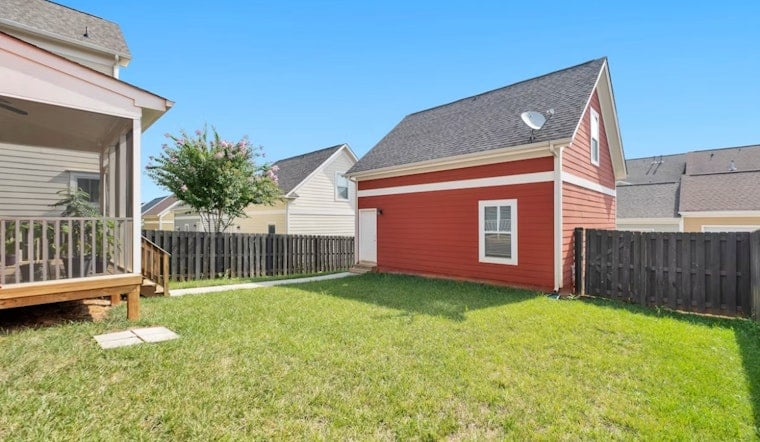
Aurora homeowners could soon have a much easier time adding small second homes to their properties, as city officials consider a major rewrite of the rules for accessory dwelling units. The proposal would let most single-family property owners add one ADU per lot, whether tucked inside the main house, attached, or in a separate structure out back. City staff says the shift could speed up permitting and open the door to more rentals or space for relatives in neighborhoods across Aurora. The idea heads to the City Council’s study session on Monday, where staff will seek direction and, if there is support, return with a draft ordinance.
What the proposal would do
Under the proposed changes, one ADU would be allowed on every single-family detached lot in Aurora, not just in the handful of places where they are currently legal. According to Engage Aurora, those units could be internal spaces such as basements or upstairs apartments, attached additions, or fully detached structures. Staff is also exploring an administrative approval process so that ADUs meeting the city’s standards could skip a public hearing and move through the system more quickly.
Where ADUs stand now
Right now, ADUs in Aurora are tightly constrained. They are allowed only in the Original Aurora subdistrict when a lot is served by an alley and in the Painted Prairie development, and only as detached units. Sentinel Colorado reports that since Aurora adopted ADU rules in 2018, the city has permitted nine units and built five, even as staff logged 262 requests from property owners outside the approved zones between 2023 and June 2026. In other words, interest has far outpaced what the current map allows.
HOAs, rules and real-world snags
Homeowners’ associations remain a stubborn complication. Denver7 recently highlighted an Aurora family whose HOA bars them from renting out part of their house, a case that shows how private covenants can clash with state and local housing policies and potentially drag disputes into court. Even if the city opens the door to ADUs, some HOA rules could keep it partly closed.
Council reaction and design concerns
During a June meeting of the council’s planning and economic development committee, members were generally open to expanding ADUs, provided the city sets strong design standards. Councilmember Amy Wiles told Sentinel Colorado that protecting "architectural integrity" is her top priority and that ADUs should not "look like a shed" but instead match existing homes. In other words, smaller does not mean slapdash.
Why the timing matters
The local push is tied directly to a 2024 state law that requires most Colorado cities inside metropolitan planning organizations to allow at least one ADU on single-family lots and to streamline approvals. That mandate has triggered zoning updates across the Front Range. Engage Aurora notes that city staff is revising Aurora’s Unified Development Ordinance to comply with the new law, while outlets such as The Colorado Sun have outlined the broader statewide land use changes that helped set this process in motion.
Next steps
If the council signals support during Monday’s study session, staff will draft an ordinance that details ADU design standards and a revised permitting process, then bring it back for formal consideration. Homeowners associations would still be able to enforce stricter covenants, and the fine print of the final rules will heavily influence how many units actually get built.
Supporters see expanded ADUs as a way to tuck more housing into existing neighborhoods without building large apartment complexes. Still, the details, from parking requirements and preservation of neighborhood character to HOA restrictions, will determine whether the policy results in a noticeable bump in housing supply. If the council gives staff the green light, the public could see a draft ordinance later this summer for review and debate.





