

























































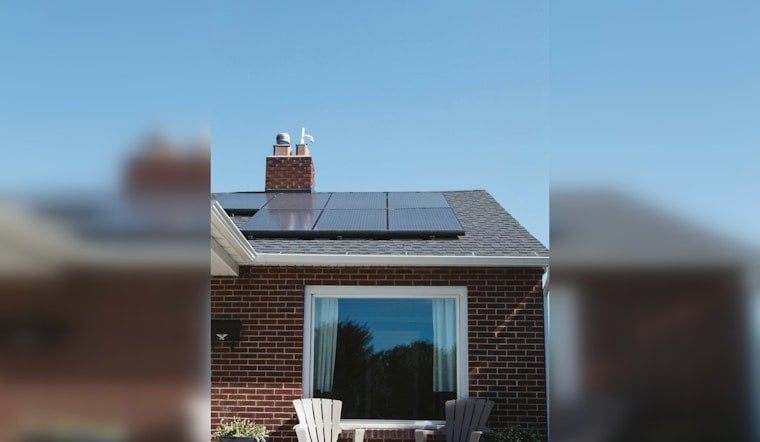
Austin Energy has bumped its residential solar rebate to $4,000, a 60% jump from the prior $2,500, in a move meant to lower the upfront cost of rooftop systems for city customers. The change took effect on Wednesday two weeks ago and applies to homeowner‑owned arrays larger than 3 kilowatts. The boost comes after federal homeowner tax credits for solar largely disappeared at the end of 2025, leaving local incentives to do more of the heavy lifting. For many Austin households, that means the utility rebate plus monthly Value of Solar credits now loom large in any payback math.
Trade publications quickly took note of the change, highlighting the bigger residential rebate and updated incentive structure. Public Power and other outlets ran summaries after Austin Energy rolled out the new levels.
Who qualifies for the $4,000 rebate?
To qualify, you must have an Austin Energy residential electric account and install a new system of at least 3 kW (DC) that is mostly free of shading, and the system has to be installed by a participating contractor. The utility’s rules require applicants to receive a Solar Rebate Confirmation Letter before work begins and exclude third‑party power‑purchase agreements, per the program guidance. Austin Energy lays out the full eligibility checklist and minimums.
Homeowners start by taking Austin Energy’s Solar Rebate Quiz to get a rebate reference number, then hire a participating contractor who submits the formal application on the homeowner’s behalf. After installation and a final inspection, the utility installs the solar meter, completes a quality‑assurance review and mails the rebate check. Because the program requires the confirmation letter before installation, getting quotes and paperwork lined up early matters if you want to lock in the higher rebate.
Commercial and nonprofit incentives
In its announcement, Austin Energy detailed higher capacity‑ and performance‑based payments for larger projects: nonprofit projects under 200 kW now qualify for $1.00 per watt and for‑profit projects under 100 kW can receive $0.70 per watt. Performance‑based payments were also raised, for example, to $0.10 per kWh for projects under 400 kW, with lower tiers for larger systems, and are paid over five years. Austin Energy said the incentives stack on top of its Value of Solar bill credits and are intended to accelerate local solar adoption.
Why the timing matters
The local increase matters in part because the federal 30% residential clean‑energy tax credit for homeowner‑owned systems expired for installations after Dec. 31, 2025, shifting more of the incentive burden onto local programs and installers. Treasury and IRS guidance has also tightened “begin construction” rules for larger commercial projects that still seek federal credits. See the Internal Revenue Service’s guidance for the statutory changes and how they affect homeowner and commercial pathways. Internal Revenue Service explains the change.
What installers and homeowners are saying
Solar advocates say the higher rebate helps but is not a one‑for‑one replacement for federal support. "The higher local rebate doesn’t fully offset the loss of federal support," Kaiba White told the Austin American‑Statesman, which also reported Austin Energy’s estimate that typical residential systems still cost in the mid‑$20,000s up front. Installers say the extra $1,500 can nudge some deals over the finish line, but that many customers will still need loans, leases or other financing to bridge the gap.
If you are considering solar, start the process early: complete the Solar Rebate Quiz, collect at least three written contractor estimates from participating installers, and ask how each proposal accounts for Austin Energy’s Value of Solar credits and financing options. Austin Energy’s website and its participating‑contractor list remain the official places to verify eligibility and next steps, and customers with questions can contact Austin Energy customer service for guidance.





