

























































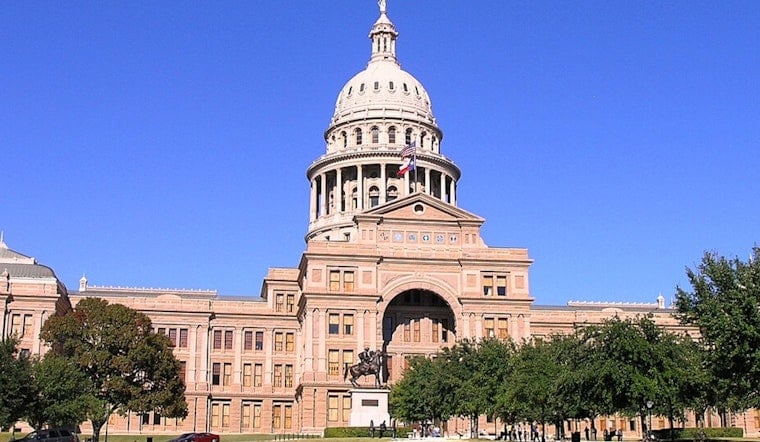
State lawmakers in Austin are turning up the pressure for Texas to take a bigger hand in the homelessness crisis after a June hearing at the Capitol painted a grim picture of a system that keeps shuttling the same people through jails, emergency rooms and short-term shelters without any real long-term stability. Dallas County officials testified that their jail is packed and that many of the people coming through the door have suspected behavioral health needs, turning what started as a conversation about local costs and public safety into a pointed question: how much longer can cities and counties carry this on their own?
Why The Capitol Convened
The Texas House Committee on Intergovernmental Affairs was ordered to study "Mental Health Impacts, Homelessness, and System Recidivism" and on June 24 held an invited-witness hearing to gather evidence ahead of the next legislative session. According to capitol.texas.gov, lawmakers were tasked with examining pre-arrest diversion, specialized high-acuity beds and best practices for sharing data across agencies. The meeting was billed as an exploratory review of whether a more coordinated state effort should replace the largely local-first patchwork now in place.
Dallas County Officials Warn Of Repeat Cycles
Dallas County’s director of operations for judicial and correctional services told the committee that county taxpayers are paying, again and again, to lock up people accused of low-level, nonviolent offenses who then head right back to the street, recreating the same costly loop. "For all intents and purposes, they were doing life sentences 30 days at a time," Stephen Autry testified. He told lawmakers the jail was holding 7,018 people and running at about 94% of capacity, and that housing one person costs roughly $96 a day, which he said adds up to a daily jail bed expense near $681,000. Those figures and Autry’s blunt assessment were documented in reporting by Texas Public Radio.
The Price Of Fragmentation
Policy researchers told the panel that the fragmented system carries a staggering price tag. An updated analysis presented at the hearing estimated that local governments across Texas spend about $3.2 billion each year responding to roughly 18,500 high-need people, once the combined costs from police, EMS, hospitals, courts and jails are tallied. That works out to an average of about $175,000 per person. Witnesses urged lawmakers to steer more money into crisis stabilization centers, mental health diversion programs, substance use treatment and intensive case management in hopes of cutting down on repeat contacts and driving costs down over time. Those findings were reported by Houston Public Media and were part of the official record from the June hearing.
A Split Diagnosis, No Single Cure
Committee members walked out of the room still arguing over where to put the focus. Republican Rep. David Spiller cautioned colleagues that they were really dealing with "three separate issues: homelessness, mental illness and systemic recidivism," while Democratic Rep. Cassandra Garcia Hernandez pressed the group to zero in on keeping people housed so they do not fall into crisis in the first place. Both angles, captured in coverage by Texas Public Radio, highlight why any eventual policy package is expected to mix prevention, crisis response and targeted treatment rather than rely on a single, sweeping fix. Lawmakers signaled they will keep gathering testimony and written materials through the summer as they weigh their options for the next session.
What Comes Next
The June hearing did not end with a ready-made bill, but it did create a detailed record of local costs and possible interventions that could drive legislation and budget requests when lawmakers return. County officials and advocates urged the state to match any new funding with clearer rules for data sharing and stronger medical privacy protections so police, hospitals and homeless service providers can coordinate without overstepping. Members of the committee said the work unfolding now will help determine whether Texas moves toward a more centralized statewide strategy or continues to lean on local governments to carry most of the load on homelessness.





