

























































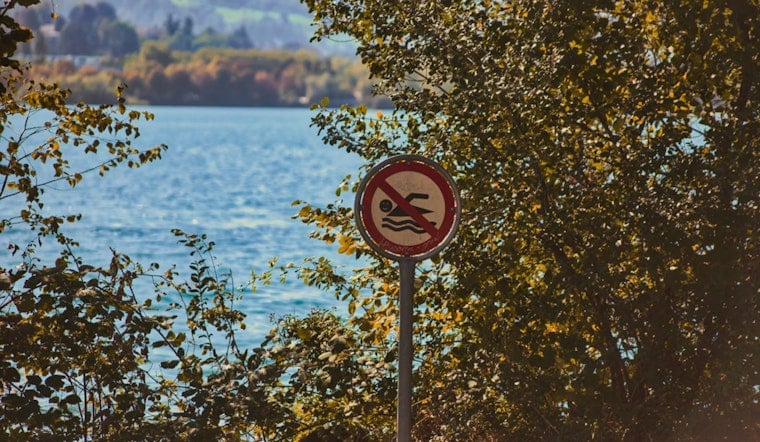
With July 4 beachgoers gearing up for a long holiday weekend, New York City health officials are telling swimmers at five local beaches to stay on the sand after recent testing found elevated bacteria levels in the water.
The warnings cover a mix of small, mostly private beach clubs along with one Brooklyn shoreline spot, coming just as temperatures rise and crowds head for the coast.
According to reporting by the New York Post, the Department of Health has placed “do not swim” advisories at Douglaston Manor (Queens), Whitestone Boosters Civic Association (Queens), Trinity Danish Young People’s Society (Bronx), White Cross Fishing Club (Bronx) and Sea Gate 42nd (Brooklyn). The Post reports that recent samples showed enterococci counts as high as 1,362 MPN per 100 mL at Douglaston Manor and 873 at Whitestone Boosters, with the other flagged sites measuring in the low hundreds. Health officials have advised against swimming or wading at those locations while follow up testing is completed, according to the report.
The city’s beach surveillance program uses enterococci as the fecal indicator bacteria and makes its lab results public. Most locations are sampled roughly once a week under the Department of Health’s beach samples dataset. The data also show that results can jump quickly after heavy rain, and officials note that warmer temperatures can speed up bacterial growth in both water and sand. Swimmers are urged to check for posted advisories and updates before heading into the surf.
What the Numbers Mean
The U.S. Environmental Protection Agency’s recreational water guidance sets a single sample threshold of 104 enterococci MPN per 100 mL and a 30 day geometric mean guideline near 35, so readings in the hundreds clear the federal line by a wide margin. According to the EPA, elevated enterococci levels can indicate fecal contamination and are linked to higher risks of gastrointestinal illness, wound infections and other health problems. The agency advises avoiding putting your head underwater or swallowing beach water when bacteria levels are elevated.
Which Beaches Remain Open
Many of New York City’s better known public beaches remain open for shore activities and sunbathing, even as the flagged sites carry advisories. The New York Post rundown also notes several clubs and public spots that tested as safe and open this week, including Orchard Beach in the Bronx and several Brooklyn locations, while pointing out that some stretches of shoreline are monitored more closely than others. Rockaway and Breezy Point, for instance, are tested more frequently than many other city beaches, according to the Post.
How Advisories Work
An advisory means the beach itself stays open but swimming and wading are not recommended until follow up tests show bacteria levels have dropped. The city reserves full beach closures for immediate hazards such as floating infectious waste, visible sewage or other contamination that poses an acute risk, according to the Department of Health’s beach data and guidance.
Where to Check for Updates
Before packing up for a beach day, New Yorkers can check the Department of Health’s beach water page for current advisories and the city’s beach lab feed for the latest sample results. Official updates and sample histories are also available through the city’s beach samples dataset and the DOHMH beach information page.



