

























































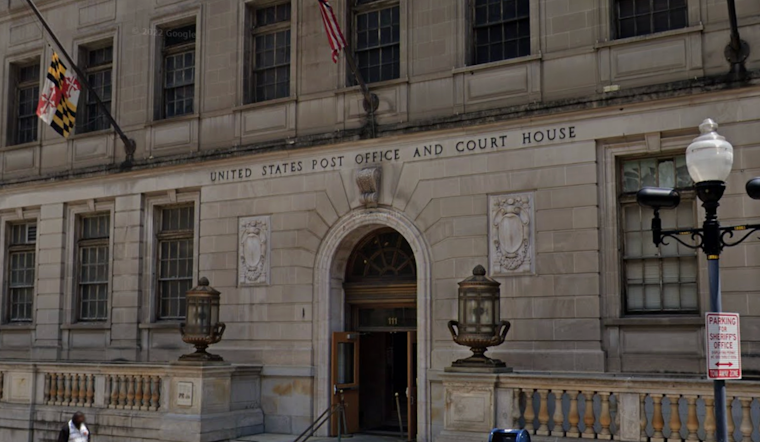
Maryland's utility watchdog is hauling state regulators into a Baltimore courtroom, accusing them of letting Washington Gas plow ahead with pipeline work without fully following a 2025 consumer-protection law. The Office of the People's Counsel says the Public Service Commission's slow rulemaking has created a loophole that could saddle customers with years of expensive replacement costs.
People's Counsel files for rehearing
The Office of People's Counsel has asked the Baltimore City Circuit Court to clarify and rehear the commission's decision on Washington Gas's 2026 STRIDE project list, arguing that regulators signed off without determining whether the plan complies with the Next Generation Energy Act, according to the Office of People's Counsel. In that filing, OPC notes that the commission allowed work to proceed "despite the Commission making no findings" that the STRIDE plan meets the law and asks the court to order an immediate compliance review instead of waiting on separate regulations.
Advocate: law should be enforced now
Maryland People’s Counsel David Lapp has blasted the commission’s handling of the issue as "business-as-usual" and argues that the General Assembly passed the law specifically to rein in infrastructure replacement that drives up customer bills, as reported by Maryland Matters. Lapp and his office say that letting planned projects move forward without immediate scrutiny under the statute undercuts the protections lawmakers put in place for ratepayers.
PSC says it needs stakeholder input
The Public Service Commission opened a rulemaking earlier this year and invited comments on whether Washington Gas's STRIDE filings satisfy the Next Generation Energy Act's new requirements, according to the commission's notice. Commissioners have said they want stakeholder input to sort out ambiguous terms in the statute before issuing formal rules that will govern cost recovery and how projects are prioritized.
Washington Gas defends its program
Washington Gas has argued in regulatory filings that its five-year STRIDE plan won commission approval before the NGEA took effect and that its 2026 project list does, in fact, comply with the new law. The utility says the work is needed for safety and long-term reliability. Project maps, timelines and FAQs on the company's Maryland STRIDE page are among the materials Washington Gas cites in defending the program, per Washington Gas.
STRIDE's price tag
An OPC analysis shows Maryland gas utilities had already spent more than $2.1 billion on STRIDE projects as of February 2025 and are projected to spend another $7.2 billion by 2043, leaving customers on the hook for roughly $11.3 billion, according to the Office of People's Counsel. Critics say the accelerated cost recovery mechanism can let utilities shift major infrastructure costs onto ratepayers long before those projects are proven cost-effective.
Advocates press for quicker action
Environmental and consumer groups warned regulators in May that dragging out key rules, including ending gas line extension allowances, could cost customers nearly $1 billion in missed savings over the next decade, per Upgrade Maryland. Those groups, joined by some lawmakers, have pushed for tighter guardrails or even the repeal of STRIDE to protect customers and better align gas policy with Maryland's climate goals. Hoodline previously highlighted the broader rate fight in March, when Washington Gas sought an $82.5 million revenue increase, a case that shows how STRIDE spending feeds into larger bill disputes.
What the court fight could change
The filings in the PSC docket for Case No. 9708 ask the court to rule that the commission must evaluate NGEA compliance immediately, not after its rulemaking is complete, a move that could force the PSC to revisit projects it has already approved, according to the Public Service Commission. If a judge orders an immediate compliance review, the commission may have to pause or adjust work it had previously allowed to proceed through administrative approvals.
Draft regulations are expected before the end of July, a timetable that both advocates and utilities are watching closely as the PSC reviews OPC's court filing and the rulemaking record advances. The dispute now puts the commission, the courts and ratepayers in a three-way tug-of-war between faster relief for consumers and utilities' calls for clearer rules, with a Baltimore court set to decide whether the statute must be enforced right away, as reported by the Daily Record.




