
























































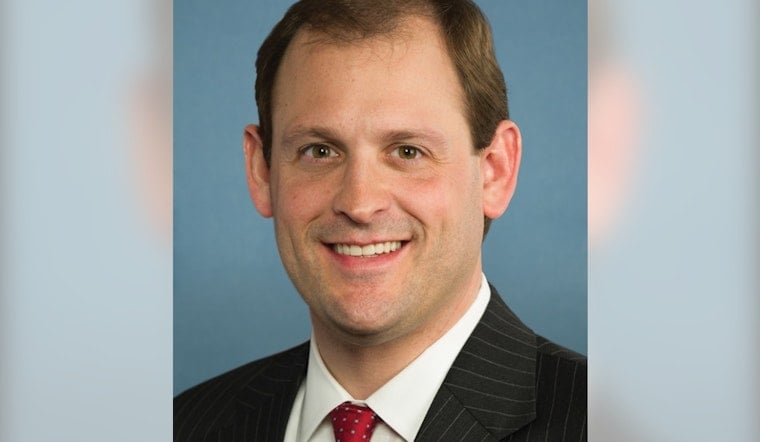
Congressmen Andy Barr (R‑Ky.) and Angie Craig (D‑Minn.) are making a late play to keep the hemp shelves from going bare. On Wednesday they rolled out the Lawful Hemp Protection Act, a bipartisan proposal pitched as a lifeline for the U.S. hemp industry and the Kentucky growers at its core. The bill would build a single national rulebook for cultivation, manufacturing, testing, labeling and sales so hemp producers are not whipsawed by conflicting state regulations. Supporters say they need that system in place before a looming federal change this November could reclassify many hemp‑derived products and knock them out of the legal marketplace.
What the bill would do
The 60‑page draft takes direct aim at how the law treats hemp. It would rewrite the legal definition of “hemp,” allow higher finished‑product potency limits than the current per‑container cap, and set a nationwide 21‑and‑over age requirement while barring synthetic cannabinoids in finished products, according to Marijuana Moment. The measure instructs federal health and agriculture officials to set maximum cannabinoid levels, with default fallback limits kicking in if they do not. It would also require per‑serving and per‑package THC disclosures and impose new taxes on consumable hemp products to help pay for enforcement. On the consumer side, the proposal tightens labels so they cannot mimic kids’ snacks and includes labeling and transparency measures intended to provide consumers with product test information.
Why farmers and businesses support it
Barr is selling the bill as a save‑the‑season moment for Kentucky producers who helped jump‑start the modern U.S. hemp industry. His office says Kentucky farmers planted roughly 4,700 acres of hemp in 2025, a footprint that could shrink fast if the legal ground shifts underneath them. Industry groups and some state regulators have lined up behind a regulated national market instead of what they fear would be an abrupt blanket ban, arguing that tougher rules on testing and age checks would actually better shield consumers and children. In a statement released through his office, Barr said the plan “protects Kentucky agriculture, safeguards consumers and establishes a commonsense regulatory framework,” per WHAS11.
State sources have described Kentucky as a hemp production leader in recent years, illustrating the crop's prior scale in the state. USDA FSA (.gov) materials reference the Tobacco Transition Payment Program (TTPP), a past federal program tied to major crop transitions in Kentucky.
Legal stakes and the November deadline
The clock is ticking because Section 781 of P.L. 119‑37 is already on the books. When it takes effect on November 12, 2026, that provision will exclude finished hemp products containing more than 0.4 milligrams of total THC per container. Legal analysts say that per‑container cap, combined with a clear federal ban on lab‑made cannabinoids, could shove a wide swath of hemp edibles and beverages back under the Controlled Substances Act unless Congress steps in with a different regulatory path, according to LegalClarity. Barr’s bill is designed to be that off‑ramp: a federal framework that keeps lawful hemp commerce moving while layering in safety standards and traceability requirements.
Legislative Research Commission (.gov) records indicate state-level regulatory attention to hemp potency standards.
What happens next
The road ahead is anything but smooth. Barr has previously experienced setbacks with hemp-related amendments in Congress, and trying to tuck this language into must‑pass spending packages or the Farm Bill is politically delicate as negotiators juggle a long list of competing priorities. The White House has signaled it is open to updating the statutory definition of hemp rather than simply letting the per‑container rule snap into place, and Barr’s office says administration officials weighed in with technical feedback while the draft was circulating. If Congress fails to land a deal before the November 12, 2026 effective date, farmers, retailers and manufacturers could be staring at sudden market turmoil and potential criminal exposure for products that no longer fit within the federal definition of hemp.





