

























































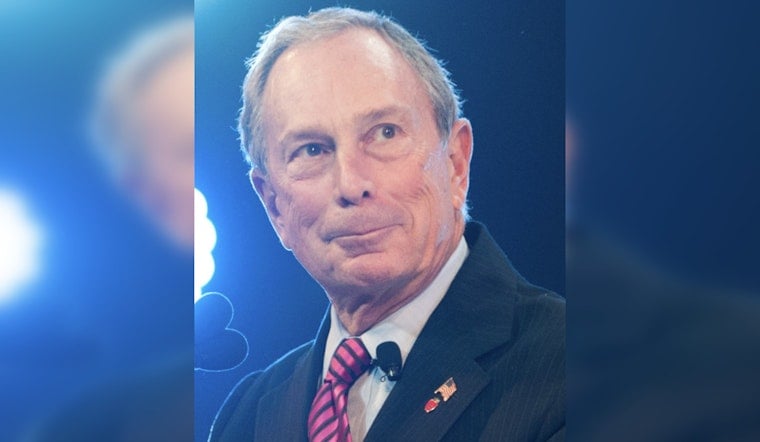
Michael Bloomberg is trying to slam the brakes on a July 22 deposition in Manhattan, asking a judge to stop former Massachusetts campaign staffers from questioning him under oath about a promise they say guaranteed them jobs through November 2020. The move lands just as a federal judge has left the door open for at least one of those staffers to pursue a personal breach-of-contract claim against the former mayor.
On July 16, Bloomberg filed papers in New York Supreme Court in Manhattan seeking to quash a subpoena that called for his testimony on July 22, according to amNewYork. His motion asks the state court to shield him from being compelled to answer questions about internal campaign communications and alleged employment guarantees.
Federal ruling opens door
On June 18, 2026, U.S. District Judge Patti Saris ruled that Alina Sipp-Alpers, a Massachusetts staffer named in the suit, may press a breach-of-contract claim against Bloomberg personally, clearing the way for discovery into what was allegedly promised to staff. The court memorandum recounts allegations that the campaign distributed interview scripts and training materials telling employees they would be paid through November 2020, and that Bloomberg himself echoed those assurances during a call with Massachusetts staff. The memorandum concludes that, if those allegations are credited, they are enough to justify limited discovery targeting Bloomberg personally, and Justia reproduces the detailed reasoning.
What staffers say
According to the complaint and related reporting, workers say they were recruited with explicit promises of wages and benefits through November 2020, only to be told on a March 2020 all-staff call that layoffs and final paychecks would arrive on March 31. At a May 2025 proceeding, one witness testified that Bloomberg joined a conference call roughly two weeks before Super Tuesday and repeated that staff would have jobs through November, the sort of sworn account plaintiffs hope to confront him with if he is ever deposed. Plaintiffs have been highlighting that testimony and supporting material as central to their contract claims, and amNewYork has reviewed the filings and trial coverage.
How the fight could play out
Bloomberg’s legal team has told courts that the subpoena is unnecessary and amounts to an improper fishing expedition now that he is no longer a party in the state Doty action, arguing that forcing his testimony would not meaningfully advance the remaining state-court claims. Plaintiffs counter that Judge Saris’s federal ruling shows the alleged oral promises sit at the heart of whether Bloomberg can be held personally liable, and they argue his testimony could sharpen key factual disputes before any class discovery. If the deposition goes forward, lawyers expect hard-fought battles over its scope, the level of formality and any protective orders that might limit how testimony and documents can be used.
What’s at stake
If Bloomberg ultimately sits for sworn questioning, a single clear answer about who made what promise and when could give Massachusetts plaintiffs leverage to press, or to settle, their claims. If the deposition is blocked, they will have to lean on earlier witness testimony, internal campaign records and the federal court’s findings to try to show that staff were entitled to pay through November 2020. Either outcome will test how courts in two different jurisdictions manage overlapping factfinding involving a national political figure.
The clash also underscores the size of Bloomberg’s 2020 presidential effort. He devoted vast resources to the race, then endorsed Joe Biden after suspending his campaign. Reporting from the time documented extraordinary ad spending that helped make the 2020 primary season one of the costliest in recent memory, with the Washington Post offering contemporaneous analysis of that spending and its impact.





_(cropped).jpg)