

























































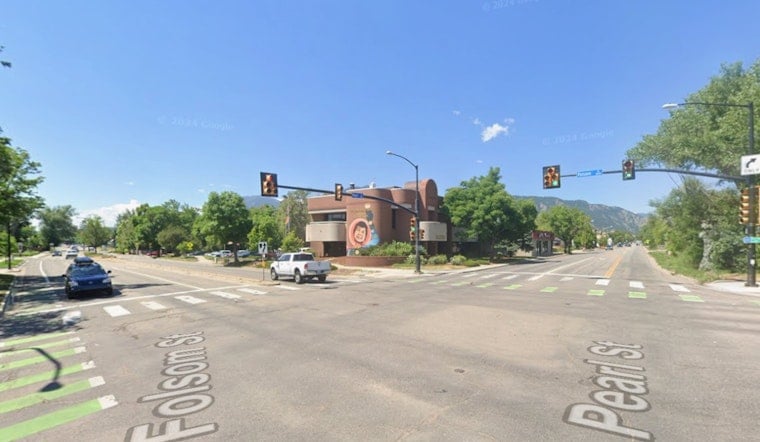
Work crews are back in central Boulder this week, grinding and repainting stretches of Pearl and Folsom streets in a bid to curb a long-running pattern of serious crashes on the two busy corridors. The short-term effort pairs routine resurfacing with a series of bike-lane and intersection adjustments that are meant to slow drivers and give people walking and biking a safer shot at crossing. Anyone traveling through the area by car, bike, or bus can expect lane shifts, temporary detours, and occasional closures while the city works through roughly two-week schedules at each site.
Big numbers behind the push
As reported by CBS Colorado, the city says the Folsom corridor has seen more than 500 serious crashes in the last decade. On a typical day, Pearl Street carries upward of 22,000 vehicles between 28th and 30th streets, while Folsom sees about 12,000 to 14,000 vehicles between Arapahoe and Pine. Layer on hundreds of weekday bicycle and pedestrian trips, officials say, and it is clear why the city decided to combine basic repaving with safety upgrades. Staff has framed the near-term work as a way to knock down speeds and lessen the severity of crashes while bigger corridor projects make their way toward construction.
When and where crews will work
On Pearl Street between 30th and Folsom, crews are working nights, roughly 6 p.m. to 6 a.m., with a full closure of the 30th and Pearl intersection planned for the weekday nights of July 15 and 16, Boulder Reporting Lab reports. On Folsom, repaving between Pine and Arapahoe is scheduled as daytime work from July 17 through 28. The city expects each location to take about two weeks, depending on the weather. Officials warn that some bus stops may temporarily close or shift, and say nearby residents and businesses were notified before the work began.
What crews are changing
According to the City of Boulder, the project will slightly narrow vehicle lanes, widen bike lanes to at least five feet where space allows, refresh and add bike boxes at key intersections, and install protected corner islands at selected crossings. The plans also call for new No Right Turn on Red restrictions at several intersections and a change to a short northbound merge on Folsom at Pearl, which will become a right-turn-only lane just north of Spruce. From January 2015 through July 2024, the city notes, there were 566 crashes along the Folsom corridor, including 20 that were serious or fatal, a pattern planners say makes these near-term traffic calming steps urgent rather than optional.
Part of a broader Safe Streets push
The current repaving is one early piece of a larger Vision Zero effort. In the Denver Regional Council of Governments’ Transportation Improvement Program, a "Safe Streets for Boulder" package that includes corridors such as Pearl and Folsom is listed with federal funding earmarked for safety upgrades. Planners have zeroed in on Boulder’s Core Arterial Network, noting that a relatively small slice of streets accounts for a disproportionate share of severe injuries. The city is using these maintenance windows to deliver quick safety gains while the more comprehensive corridor designs move through the longer planning and construction pipeline.
What to expect and how to plan
The city’s Pavement Management Program estimates about two weeks of repaving work at each location, with local access preserved during daytime hours but with periodic delays, detours, and the usual work-zone noise. Current closure details are available on the Cone Zones map. Residents and businesses in the affected areas received advance notice, and the city lists [email protected] as the project contact for questions about closures or schedule changes. Commuters are encouraged to pick alternate routes during the nighttime closures on Pearl and to build in extra travel time while daytime work proceeds on Folsom.
“This means making that crosswalk a perfect place to cross,” Lucy O'Sullivan, a transportation planner for the city, said in a statement quoted by CBS Colorado. “Making that bike lane somewhere you really want to ride. That really helps users do the right thing and follow the rules of the road.” City staff stresses that these are interim, relatively low-cost steps that are intended to cut crash severity now, while the final corridor designs continue to advance.





