

























































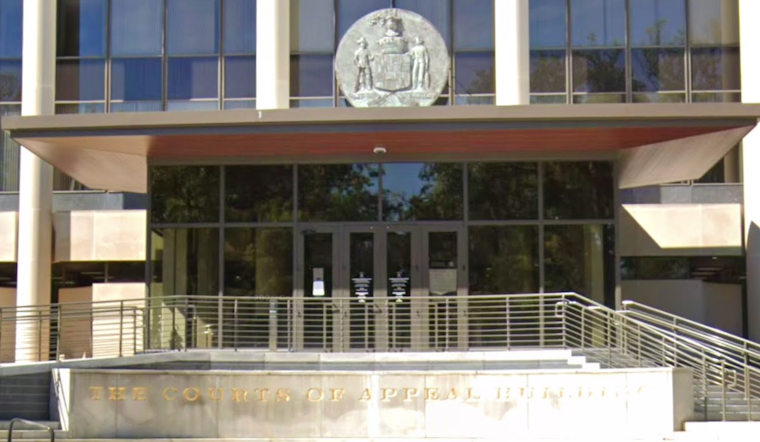
Maryland's Supreme Court ruled on July 14, 2026, that a Bowie homeowner who cleared a small homeowners' association judgment after a sheriff's sale may still lose her house. In a 4-3 opinion, the court left in place an auction that shifted the homeowner's interest to an investor who picked up the lien for a few thousand dollars and sent the case back to the lower courts on a narrow set of issues. The decision has already drawn sharp criticism from advocates worried that investors can score big payoffs off relatively minor HOA debts.
What the court decided
According to the Supreme Court of Maryland, homeowner Wendy Carrington owed $3,289.21 in unpaid HOA assessments and $493.38 in attorneys' fees when a Prince George's County sheriff's sale drew a winning $6,000 bid from Baltimore XV Properties. Carrington then paid the full judgment after the sale but before the court ratified it. The majority held that this kind of post-sale payoff is not the sort of "irregularity" that can be used to unwind the sale under Maryland's post-sale rules. The court reversed the lower courts and remanded the case so that the remaining challenges can move forward in the usual way.
Why dissenters objected
The ruling split the court 4-3, with Justices Peter Killough, Shirley Watts and Angela Eaves in dissent, warning that the decision will fall hardest on Black and brown homeowners. The dissent pointed out that Carrington missed her HOA assessments while undergoing chemotherapy, stayed current on her mortgage and paid the judgment in roughly 30 days after the sale, facts reported by the Maryland Daily Record. Justice Killough wrote that by treating a debt that is fully paid after auction like a minor procedural defect, the majority risks creating major windfalls for lien investors.
Concurrence and narrow paths forward
Chief Justice Matthew Fader joined the majority's legal analysis but added a caution: if Baltimore XV really paid only $6,000 for an interest worth hundreds of thousands of dollars, the sale could still be set aside as unconscionable. Writing for the majority, Justice Jonathan Biran stated that "Ms. Carrington’s satisfaction of the Judgment after the sale does not provide a basis to vacate the sale." As explained by the Supreme Court of Maryland, the case now returns to the trial court, which will sort through any other alleged post-sale irregularities while preserving the purchaser's right to seek ratification.
How this fits in Maryland appeals
The high court agreed last year to hear the case to answer a technical but important question: whether a judgment creditor's acceptance of payment after a sheriff's sale can wipe out the purchaser's newly acquired interest. Appellate watchers called attention to the issue when certiorari was granted, noting the broader implications for title fights that often follow execution sales. Observers say the ruling could fuel additional litigation and might nudge lawmakers to consider a redemption window for HOA-related sales. MD Appellate Blog.
Legal implications
On the ground, the decision shrinks the options for homeowners who manage to pay off what they owe after an auction. Under the court's reading, any objection based on satisfaction of the judgment has to be raised before the sale is ratified. That puts extra pressure on owners and their lawyers to act ahead of time by arranging payment, filing motions before the sale, or asking for a stay, and it increases calls for counties and state lawmakers to revisit HOA and execution-sale procedures. As reported by the Maryland Daily Record, the case now heads back to Prince George's County courts, where Carrington and the HOA will continue to battle over alleged irregularities and whether the sale price is unconscionable.





