

























































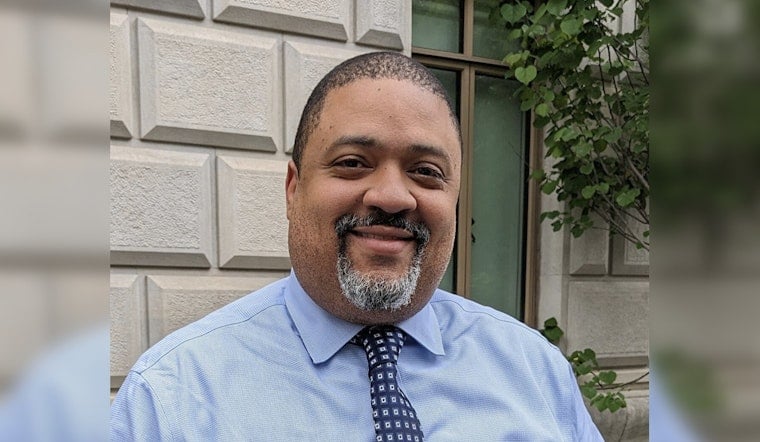
Manhattan District Attorney Alvin Bragg says a joint investigation with the New York State comptroller has uncovered nearly $1 million in alleged theft from public funds, a haul that has already produced two fraud indictments and kicked a new round of financial crime cases into gear.
Our investigations with the New York State comptroller uncovered nearly $1 million of theft from the public fisc. Learn more about these two fraud indictments in @amNewYork: https://t.co/TVEFdoGgRP
— Alvin Bragg (@ManhattanDA) July 8, 2026
Bragg's post and local coverage
In a post on X, Bragg wrote that “our investigations with the New York State comptroller uncovered nearly $1 million of theft from the public fisc” and directed followers to coverage in amNewYork for details on the two indictments. His social media teaser stopped short of releasing charging documents, and the linked article appears to spell out the individuals involved and the specific allegations.
For now, Bragg’s office is letting the brief statement and the local write up carry the story. Prosecutors are expected to publish formal filings or a more detailed District Attorney statement, and this piece will be updated when those materials are made public.
Comptroller partnerships have backed big cases before
Bragg’s team has leaned on the New York State Comptroller’s investigators before when public money looked like it was going walkabout. A prior joint probe into university finances resulted in indictments and guilty pleas, after auditors followed the paper trail through complex institutional books.
According to the State Comptroller’s office, these collaborations let auditors do the painstaking forensic accounting while prosecutors focus on building a case that can stand up in court. Officials say that pairing those skill sets makes it easier not only to trace suspected theft but also to claw back public money when possible.
What an indictment means
An indictment is a formal accusation, not a verdict. It follows a grand jury finding that there is probable cause to believe a crime was committed, a far lower bar than the proof beyond a reasonable doubt required to convict at trial.
Under New York procedure, grand juries do not decide innocence or guilt. They decide whether there is enough evidence to move the case forward so that a trial court can sort out the facts. As LegalClarity explains, defendants still retain the right to challenge the charges, contest the evidence and, if it comes to that, put prosecutors to their proof in open court.





.jpg)