

























































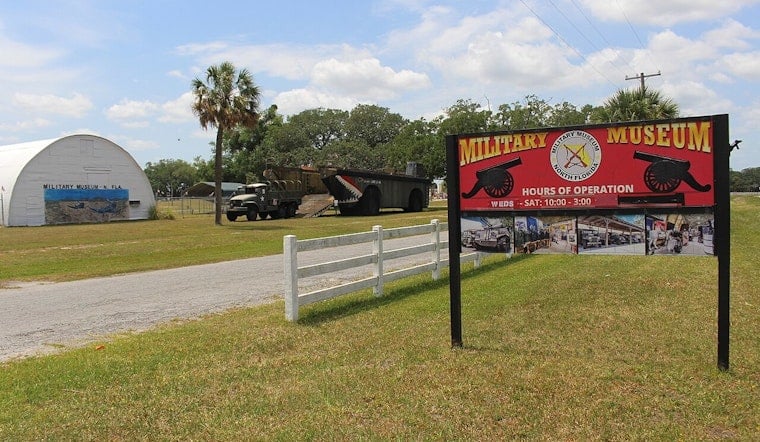
A busted air-conditioning system at the Military Museum of North Florida has volunteers and veterans sweating more than the usual summer heat, as climate-sensitive displays and storage rooms are left exposed to rising temperatures and humidity. The volunteer-run Green Cove Springs museum holds uniforms, paper records and metal artifacts that conservators say can deteriorate fast when the air gets hot and damp, and staff are racing to shield fragile items before mold, rust or warping causes permanent damage.
According to Action News Jax, museum leaders discovered the HVAC failure this week and quickly flagged that uncooled galleries and storage areas pose an immediate conservation threat. The outlet reported that staff and volunteers are scrambling to stabilize sensitive objects while they organize repairs and short-term workarounds.
The Military Museum of North Florida, at 1 Bunker Ave in Green Cove Springs, catalogs artifacts spanning more than two centuries of U.S. military history, from Revolutionary War-era material to items from recent conflicts, according to the museum's website. The site also lists contact details and public hours for visitors and supporters who want to stop by or lend a hand.
Why climate control matters
Temperature and relative humidity sit at the top of any preservation checklist because warm, moist air is a triple threat: it accelerates mold growth, causes leather and paper to break down, and speeds up corrosion on metal objects. The Smithsonian Institution stresses that keeping environmental conditions stable is a first line of defense for collections, and federal guidance from the National Archives outlines the salvage and stabilization steps museums turn to when environmental controls fail.
What the museum says and how locals can help
The museum's sponsorship page makes it clear the operation runs on a tight budget and accepts donations through PayPal to cover basics like maintenance and conservation work. That page and other public materials emphasize that local donors and volunteers are crucial to daily operations and to paying for repairs when something big, like the AC, goes down.
Experts urge quick action
Conservation professionals typically advise rapid stabilization in situations like this: lower humidity as much as possible, shift the most vulnerable objects into cooler storage, and contact trained conservators for salvage guidance. National resources, including museum emergency guidance and the American Institute for Conservation's emergency networks, offer step-by-step procedures and phone support for institutions facing environmental threats.
For now, the Military Museum of North Florida is asking the public for help, and its website lists donation and contact options for anyone in a position to assist. We will continue to track repair efforts and any official updates from museum leadership.





