

























































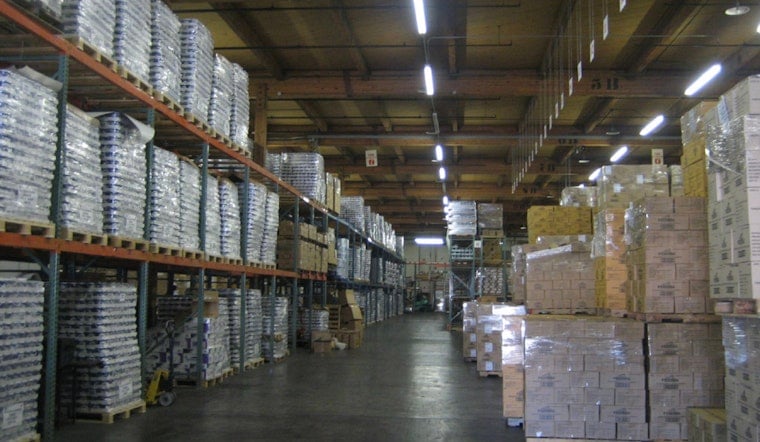
Brooklyn nonprofit CHiPS is shifting its food pantry operation into a 4,000-square-foot Brooklyn Navy Yard warehouse as more New Yorkers turn to emergency food providers. The expansion is designed to more than double the number of households CHiPS can serve each week, while keeping its hot-meal program and walk-in pantry services at the organization’s Fourth Avenue headquarters.
CHiPS signed the warehouse lease in April and is using the new space for grocery deliveries, inventory storage and packing vans bound for mobile pantry sites across Brooklyn, according to CHiPS’s expansion plan. The Navy Yard location will not offer direct pantry or meal service, while the organization’s meals, housing program and existing pantry distribution will continue at 200 Fourth Avenue.
A Bigger Warehouse For A Much Bigger Pantry Operation
The new facility gives CHiPS room to receive multiple pallets of groceries at once, including six to eight pallets from City Harvest compared with the one or two it previously handled. It also includes five industrial-sized refrigerators and two freezers, according to the Brooklyn Paper.
The move will free roughly 700 square feet at the Fourth Avenue site for food preparation, donation sorting and a more streamlined guest experience. CHiPS distributed 34,000 pantry bags and 207,000 meals in 2025, while pantry services have grown by 600% and meals by 400% compared with 2022, the report said.
CHiPS uses a client-choice model, allowing guests to select their own groceries rather than receiving identical prepacked bags, and operates mobile pantry locations throughout Brooklyn, according to the nonprofit’s pantry program information. The organization expects to grow from serving about 700 households a week to more than 1,500 within the coming year.
Brooklyn Pantries Are Seeing The Pressure Build
The expansion arrives as the city’s food-assistance network handles record demand. New York City’s Mayor’s Office of Food Policy reported 37.2 million visits to participating emergency food providers in fiscal year 2025, alongside 47.1 million pounds of distributed food; a separate city impact report said the amount of food available per food-insecure person fell 19% as visits increased.
City Harvest, which supplies food to hundreds of pantry programs, reported more than 1 million additional pantry visits per month in 2025 compared with 2019 and a 10% increase in the number of New Yorkers experiencing food insecurity. Against that backdrop, CHiPS plans to add as many as six more pantry stops to its current Brooklyn network and broaden outreach into neighborhoods that are not yet regularly served, according to the Brooklyn Paper’s report.
The warehouse is ultimately a logistics upgrade, not a new public-facing pantry. For CHiPS, the goal is to get more fresh food moving through Brooklyn before the need grows even larger.



