

























































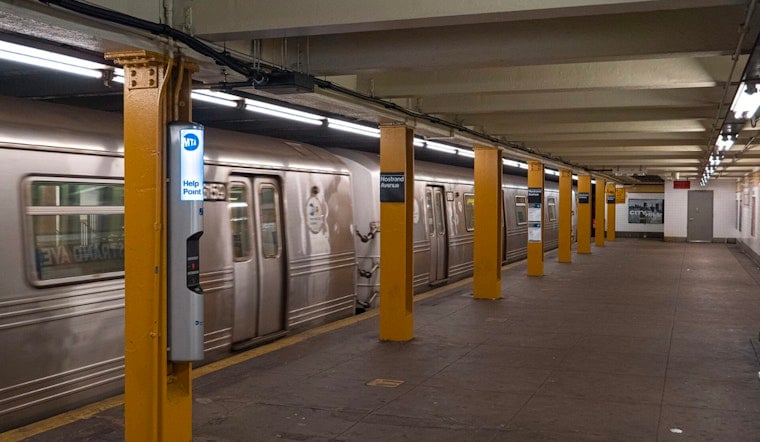
The Metropolitan Transportation Authority is finally giving some Brooklyn riders a break from the stairs, announcing this week that it will add elevators at five subway stations: Nostrand Avenue, Neptune Avenue, 18th Avenue, Jefferson Street and Fort Hamilton Parkway. The work is set to be packaged for bidders this fall and will tap congestion-pricing revenue alongside other capital funds, with the agency expecting to select a contractor before the end of 2026.
Bid Package and Scope
The MTA has grouped the five stops into a single Americans with Disabilities Act accessibility procurement that will cover new elevator shafts, platform modifications and related station repairs. That bundled approach and station list appear in the agency’s project documentation, according to MTA.
Why These Stops Were Picked
The package is designed to close some of the borough’s worst gaps in accessible service while also targeting ridership hot spots. Four of the stations were chosen to eliminate stretches of several consecutive inaccessible stops, and Nostrand Avenue, a busy Fulton Street express stop in a commercial corridor, is set to get three elevators to create a fully stair-free path. That logic and the full station list are detailed in coverage of the bid package from Railway Supply.
Timeline and Procurement
The MTA has already released a Request for Proposals, and bids are due September 14, 2026, under a compressed fall schedule that would allow the agency to choose a contractor before the end of the year. PIX11 reported the September bid deadline, and other coverage has emphasized the agency’s intent to move quickly on the project.
Where the Money Will Come From
The elevator work is funded in part by congestion-pricing revenues and is folded into the MTA’s 2025–2029 capital plan, which sets aside about $7.1 billion for accessibility upgrades and identifies at least 60 more stations for future work. State officials have highlighted congestion-pricing receipts as a key source for recent accessibility awards and contracts, according to the Governor's Office.
The Legal Backdrop
This latest bid package is part of the MTA’s response to a landmark settlement that requires the agency to make the subway system largely accessible by 2055, with phased milestones and regular reporting along the way. Disability Rights Advocates, which represented the plaintiffs, has said the settlement effectively forces the MTA to accelerate elevator construction across the system. Disability Rights Advocates
Local Reaction and Delivery Approach
Accessibility advocates in Brooklyn have greeted the announcement as long-awaited, concrete progress after years of uneven upgrades. Agency leaders, for their part, are touting project bundling and newer delivery methods as tools to build stations “better, faster and cheaper.” Industry observers say congestion-pricing dollars have helped restart previously paused jobs and kick off a new round of visible station work, according to ENR.
Specific design and construction schedules will hinge on contractor proposals and conditions at each station, but riders can expect temporary street and station disruptions once shovels hit the ground. For Brooklyn neighborhoods that have gone decades without reliable stair-free access, this procurement is one of the first big signs that congestion-pricing money is about to show up in a very tangible way.


